

Specialist in Neonatology & Pediatric Intensive Care
Klinikum Karlsruhe

NICU Ward Manager & Pediatric Nurse
Klinikum Karlsruhe
Klinikum Karlsruhe is the largest hospital in the Upper Middle Rhine region, located in Karlsruhe, Germany. In this interview, Dr. med. Frauke Riedel, a specialist in neonatology and pediatric intensive care, and Kerstin Thees, NICU ward manager and pediatric nurse, share their clinical experience with transcutaneous CO2 monitoring (tcPCO2) in the hospital’s neonatal intensive care unit (NICU).
What clinical value does transcutaneous CO₂ monitoring provide in daily NICU workflows?
Carbon dioxide (CO2) is a critical parameter in early neonatal life, as both hypercapnia and hypocapnia can negatively impact pulmonary and neurological outcomes. Continuous tcPCO2 monitoring allows real-time assessment without the need for frequent arterial or capillary sampling, helping reduce patient disturbance while supporting neuroprotective care.
Which patient groups receive long-term tcPCO₂ monitoring in your clinical practice?
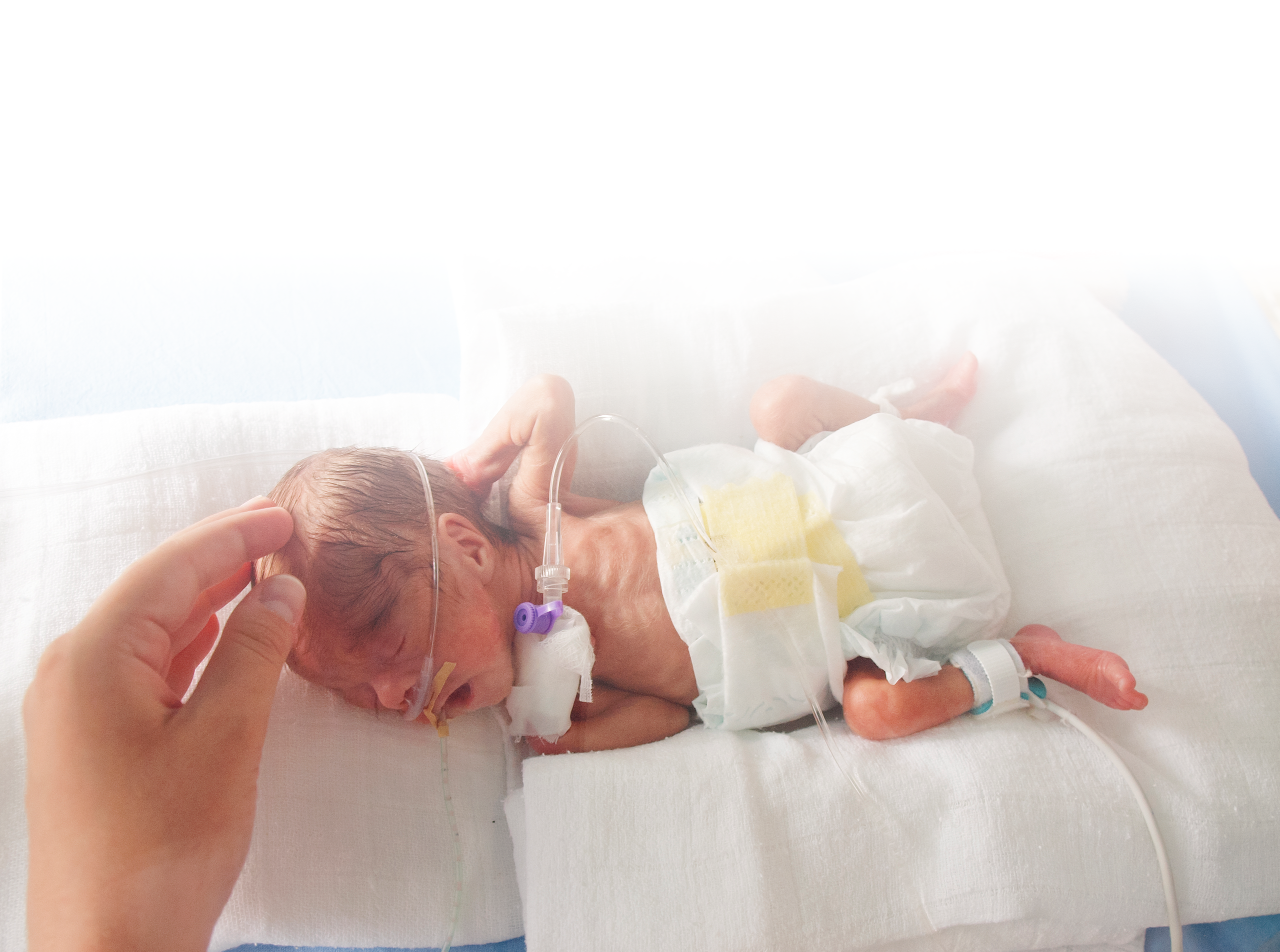
We use tcPCO2 monitoring across a broad range of patients, including preterm infants with respiratory distress, those on both invasive and noninvasive ventilation (including CPAP and high-flow therapy), spontaneously breathing neonates with hypercapnia, and unstable preterm infants.
What role does tcPCO₂ monitoring play during ventilation changes or weaning?
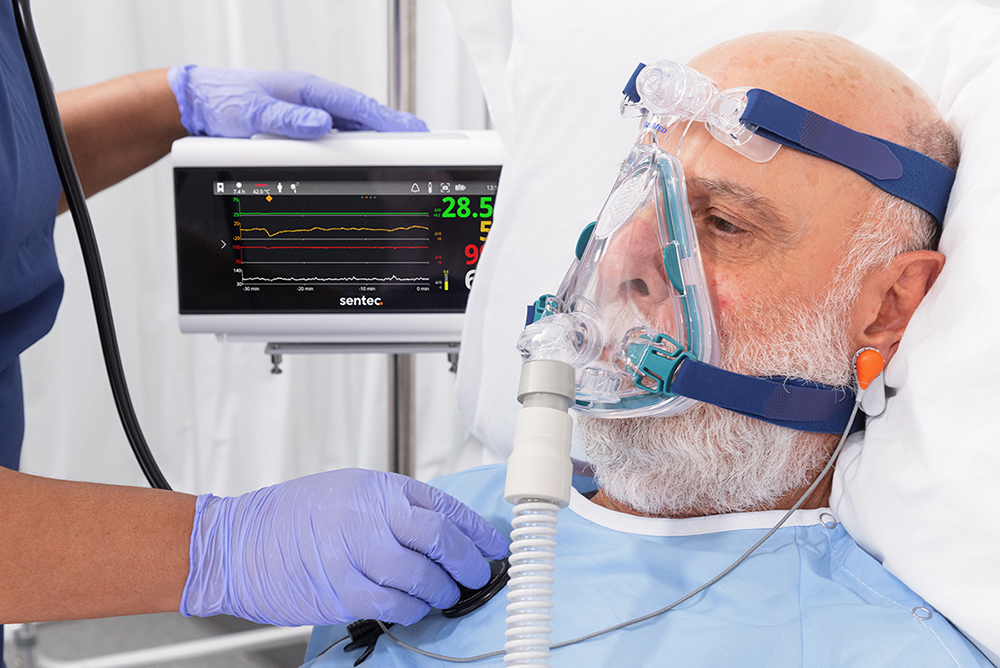
The trend is essential. tcPCO2 trends provide immediate insight into whether CO2 levels are rising or falling in response to ventilatory adjustments. This supports informed decision-making and helps avoid excessive blood sampling, particularly when arterial access is no longer available.
How do you determine when continuous CO2 monitoring is no longer needed?
Monitoring is typically discontinued once sustained respiratory stability is observed, usually over a period of 1-3 days, and respiratory support has been successfully weaned. We withdraw respiratory support based on clinical judgement rather than a fixed protocol.
Can you provide a specific clinical example where continuous tcPCO2 monitoring supported care?
In a 32-week infant with severe sepsis and persistent pulmonary hypertension of the newborn (PPHN), arterial access could not be obtained. Despite a larger absolute discrepancy, the tcPCO2 trend remained reliable and could be used to guide ventilation safely. With trust in our tcPCO2 trend, only three ABGs were required in 24 hours.
Even in cases of perfusion issues—such as with PPHN, where correlation can be challenging—the trend can still be informative when guiding care while also helping to reduce the need for invasive blood gas sampling.
How many blood gases do you save using tcPCO2 monitoring?
Experience indicates a reduction of roughly one-third to one-half compared with units without established tcPCO2 use.