

MENU

Sentec Article
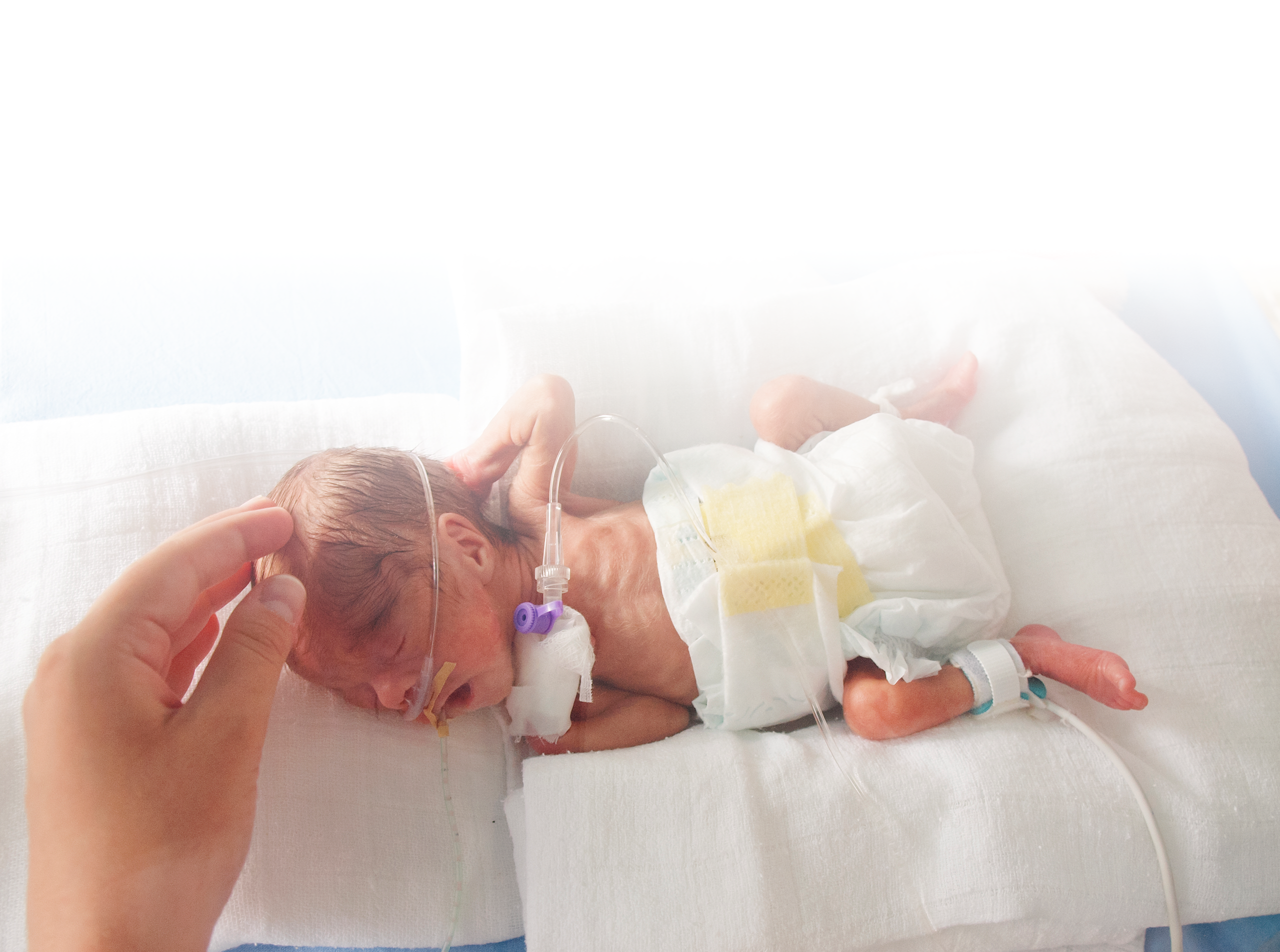
Protecting the Preterm Brain: The Role of CO2 in the First 72 Hours
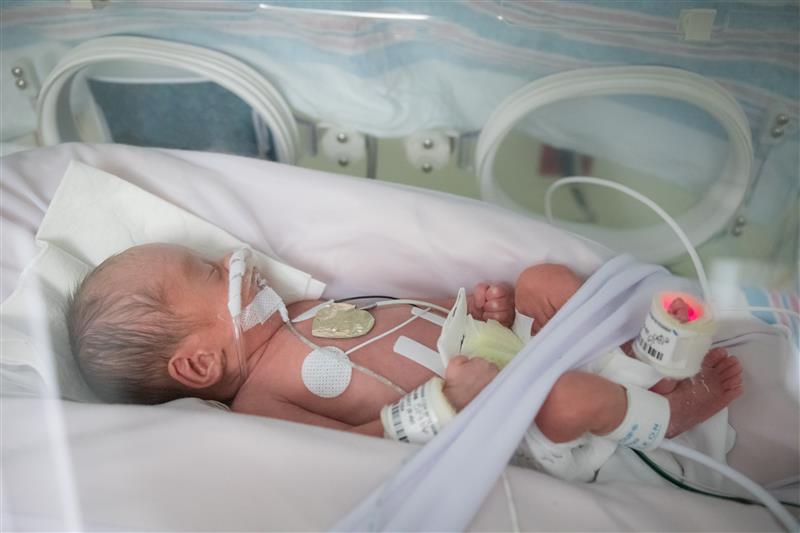
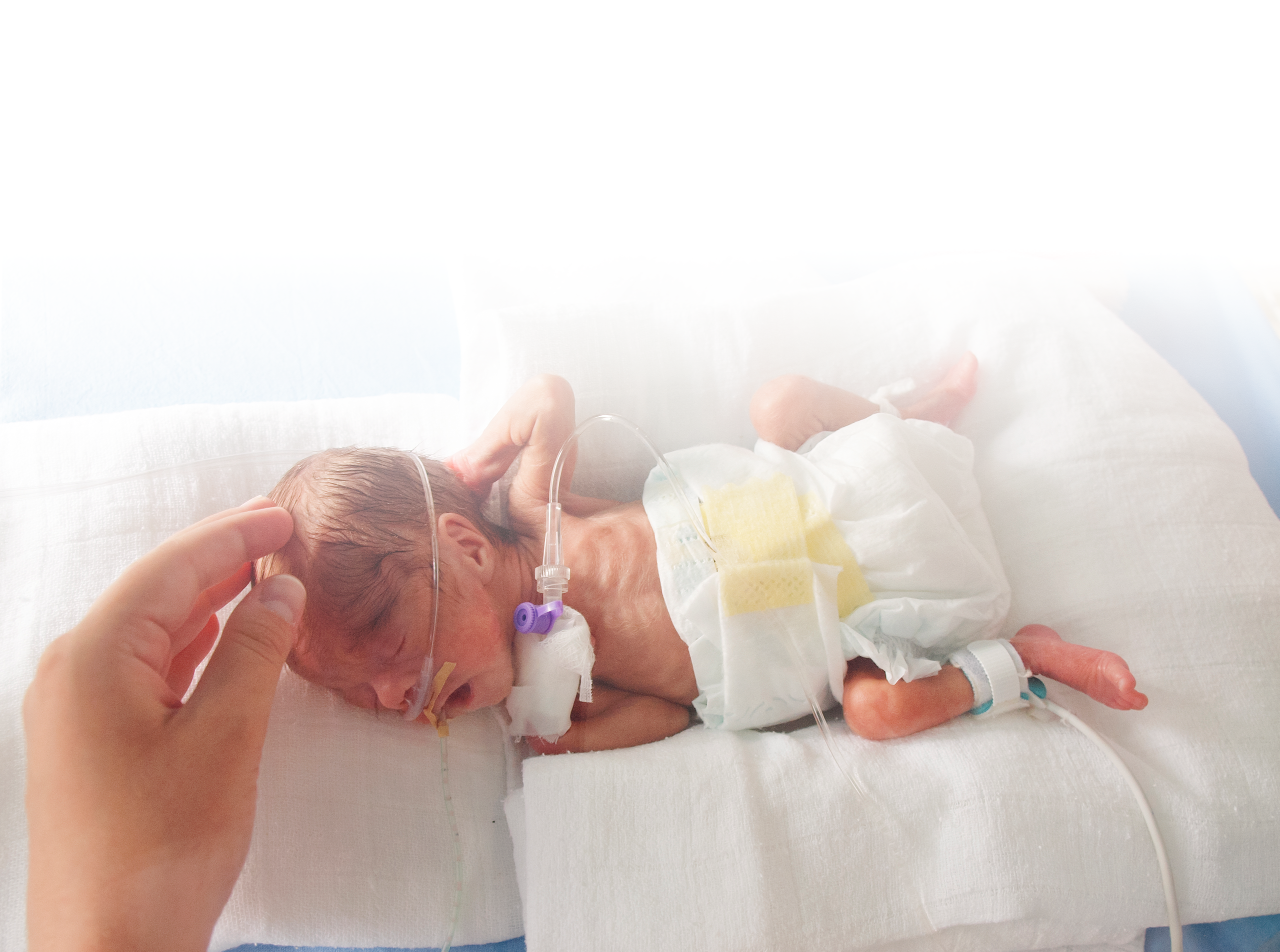
Preterm infants are highly vulnerable, with their underdeveloped physiology placing them at increased risk for complications. Among the many priorities in their care, neuroprotection is central, as the preterm brain is especially susceptible to injury that can lead to both short- and long-term consequences.

Sentec Article
Targeting CO2 to Improve Outcomes in Patients with Chronic Hypercapnia
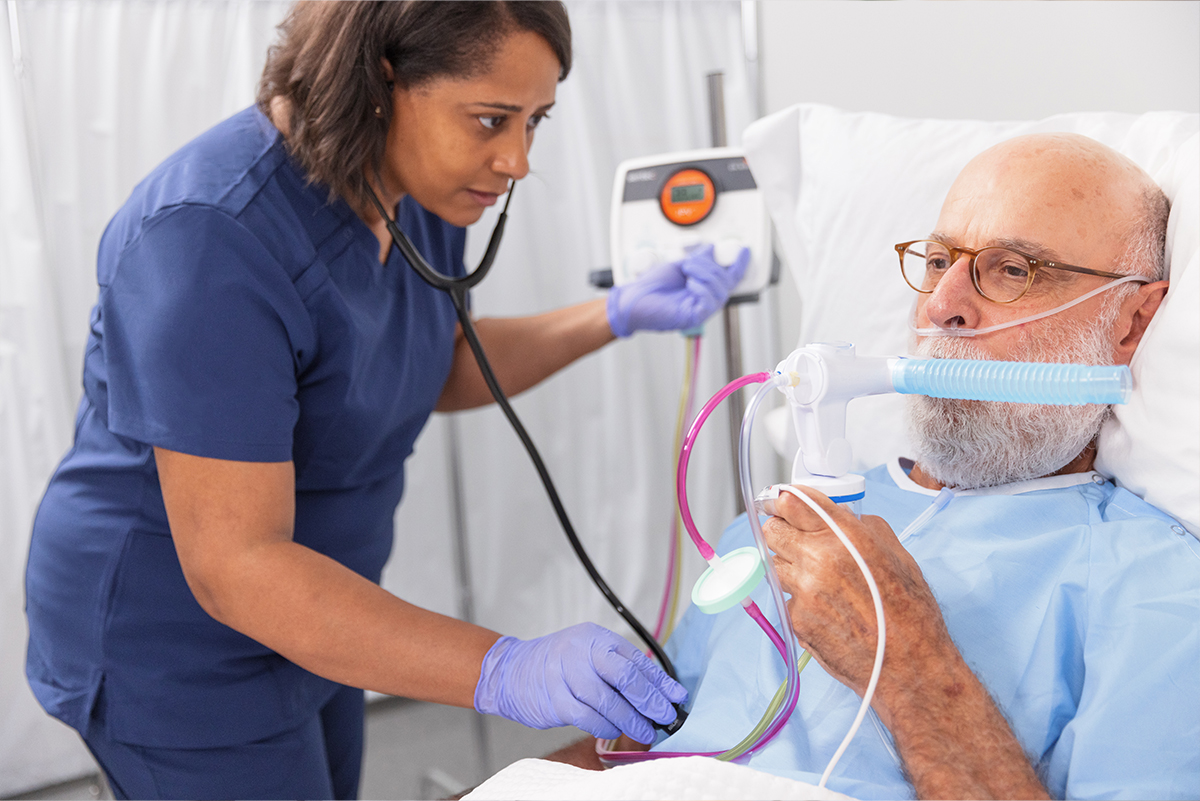
A growing body of research raises an important question: Are patients with chronic hypercapnic respiratory failure being adequately managed? For these individuals, the presence of elevated CO2 levels alongside normal or near-normal pH levels — a result of renal compensation — is often overlooked.

Sentec Article
Sleep and Breathing in Neuromuscular Disorders
For people living with neuromuscular disorders (NMD), such as myasthenia gravis, Duchenne muscular dystrophy, and amyotrophic lateral sclerosis (ALS), sleep and breathing difficulties can affect daily life and long-term health. Weakened respiratory muscles can make breathing more difficult, while disrupted sleep adds to the burden of the condition.

Sentec Article
Liberare le vie aeree… o solo una parte? Confronto tra MI-E e terapia IPV
Le tecniche di disostruzione delle vie aeree (ACT) sono una componente importante dell’assistenza ai pazienti con secrezioni in eccesso o con difficoltà ad eliminare autonomamente il muco. Il muco trattenuto può ostruire il flusso d’aria, ostacolare lo scambio gassoso e aumentare il rischio di complicazioni respiratorie. Questo può riguardare soggetti con patologie quali le malattie neuromuscolari, le malattie polmonari croniche o le patologie acute, così come i pazienti intubati e/o in fase di recupero post-operatorio.
Sentec Article
Dégager les voies aériennes… ou seulement une partie ? Comparaison de la MI-E et de la thérapie par IPV
Les techniques de désencombrement des voies respiratoires (DVR) occupent une place importante dans la prise en charge des patients qui ont des sécrétions excessives ou des difficultés à éliminer le mucus par eux-mêmes. L’obstruction générée par le mucus peut altérer le flux d’air, les échanges gazeux et augmenter le risque de complications respiratoires. C’est le cas chez les personnes atteintes d’une maladie neuromusculaire, d’une maladie pulmonaire chronique ou d’une affection aiguë, ainsi que chez les patients intubés ou en convalescence postopératoire.
Sentec Article
Transcutaneous CO2 Monitoring in the NICU: A Q&A with the Clinical Team at Klinikum Karlsruhe, Germany
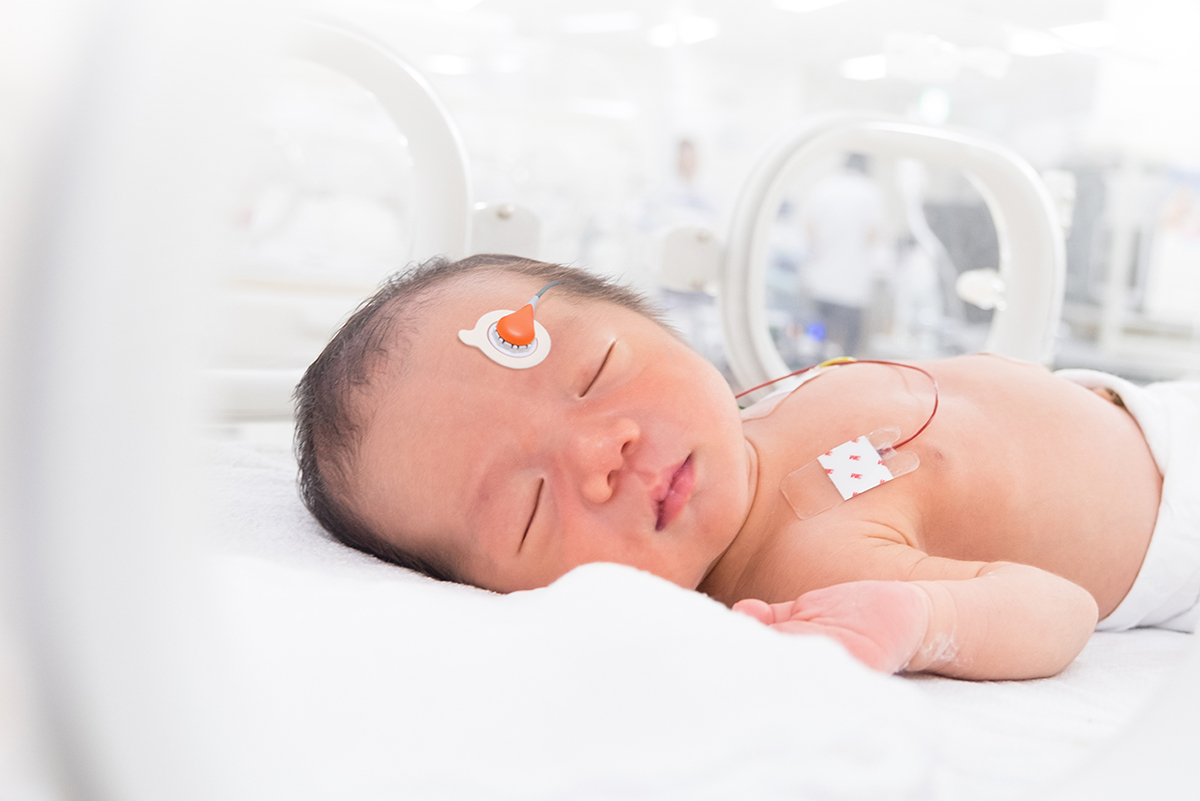
In this interview, Dr. med. Frauke Riedel, a specialist in neonatology and pediatric intensive care, and Kerstin Thees, NICU ward manager and pediatric nurse, share their clinical experience with transcutaneous CO2 monitoring (tcPCO2) in the hospital’s neonatal intensive care unit (NICU).

Whitepaper
Bilanciare la protezione di cervello e polmoni nelle TIN con il monitoraggio transcutaneo della CO2
Questo white paper esplora il modo in cui i medici trovano il giusto equilibrio tra protezione del cervello e dei polmoni fragili e in via di sviluppo dei neonati prematuri nelle TIN.
Whitepaper
Protéger le cerveau et les poumons en USIN grâce à la surveillance transcutanée du CO2
Ce livre blanc étudie comment les cliniciens parviennent à concilier la protection du cerveau et des poumons fragiles et en développement des nourrissons prématurés en USIN.

Sentec Article
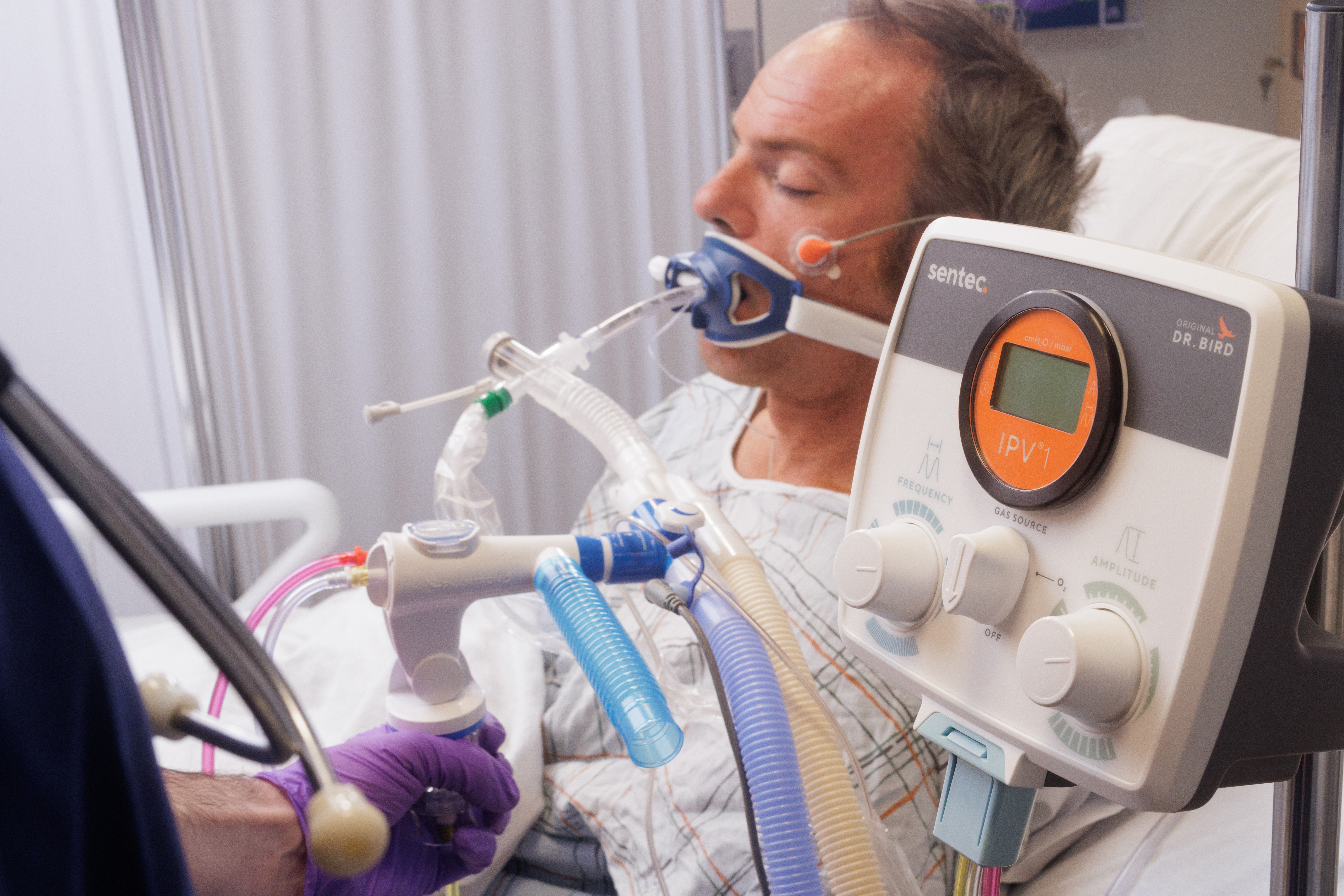
Improving Critical Care Outcomes with IPV Therapy
Secretion retention can significantly impact recovery in critically ill patients. Learn how IPV therapy supports airway clearance and explore evidence linking it to improved mucus clearance, reduced atelectasis, and shorter ICU stays.
Evidence Summary
Ripristino della capacità di scambio gassoso con la terapia IPV
L’opuscolo sulle prove cliniche della terapia IPV offre una panoramica dei principali studi clinici che evidenziano l’efficacia e la sicurezza della terapia di ventilazione percussiva intrapolmonare (IPV) in diverse popolazioni di pazienti.