
WEDNESDAY, 23 SEPTEMBER 2026
5 PM CEST

Learning Objectives:
  • Describe the requirements for successfully initiating and adapting patients with chronic respiratory failure to long-term mechanical ventilation.

  • Review tools and strategies for patient follow-up, including approaches shown to improve clinical outcomes.

  • Discuss what can and should be monitored remotely, incorporating perspectives from both healthcare providers and patients.

Meet the Speaker

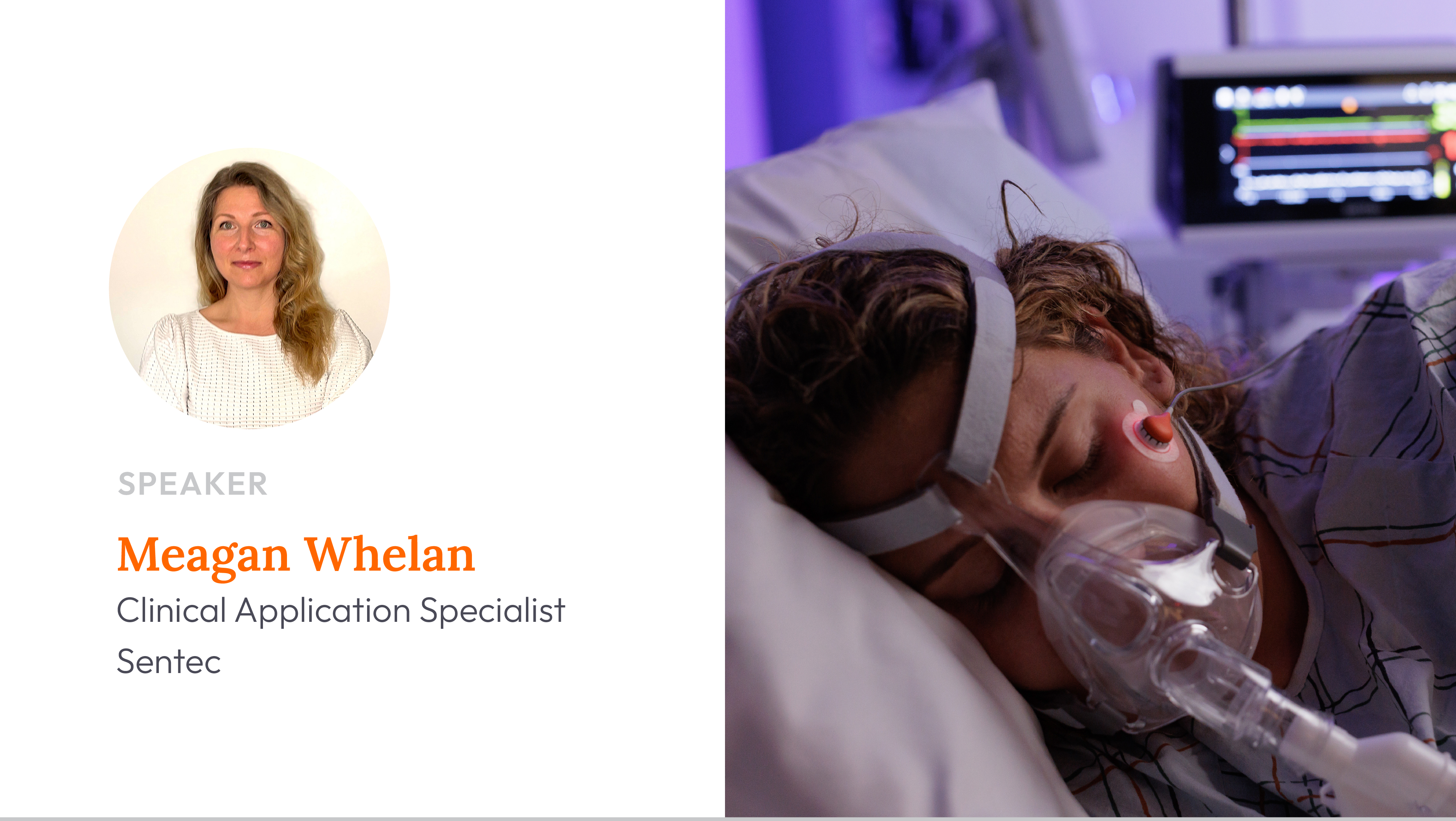
Marieke Duiverman is a leading clinician-scientist whose research focuses on respiratory failure and ventilatory support, spanning pathophysiology, diagnostics, and treatment innovations. She conducted one of the first randomized controlled trials (RCTs) in stable COPD, demonstrating that adding nocturnal non-invasive ventilation (NIV) to pulmonary rehabilitation significantly benefits patients with stable hypercapnic COPD. She also led an RCT showing that home initiation of chronic NIV is non-inferior to hospital initiation, while reducing costs by more than 50%.

Her work further explores nasal high flow therapy in stable and post-exacerbation COPD, serving as principal investigator of a multicentre trial in the post-exacerbation setting. Duiverman has a strong interest in optimizing long-term NIV monitoring through non-invasive, robust methods, including advanced techniques such as respiratory EMG. Additionally, she leads a pathophysiological study examining respiratory muscle performance in patients with severe COPD undergoing transplantation.

Currently, she chairs the clinical research collaboration “IMPORTANCE,” building the first international multicentre registry on home mechanical ventilation (HMV). She has authored over 72 peer-reviewed publications in leading respiratory journals.

REGISTER


Stay up-to-date with Sentec


Related Posts

  • Live

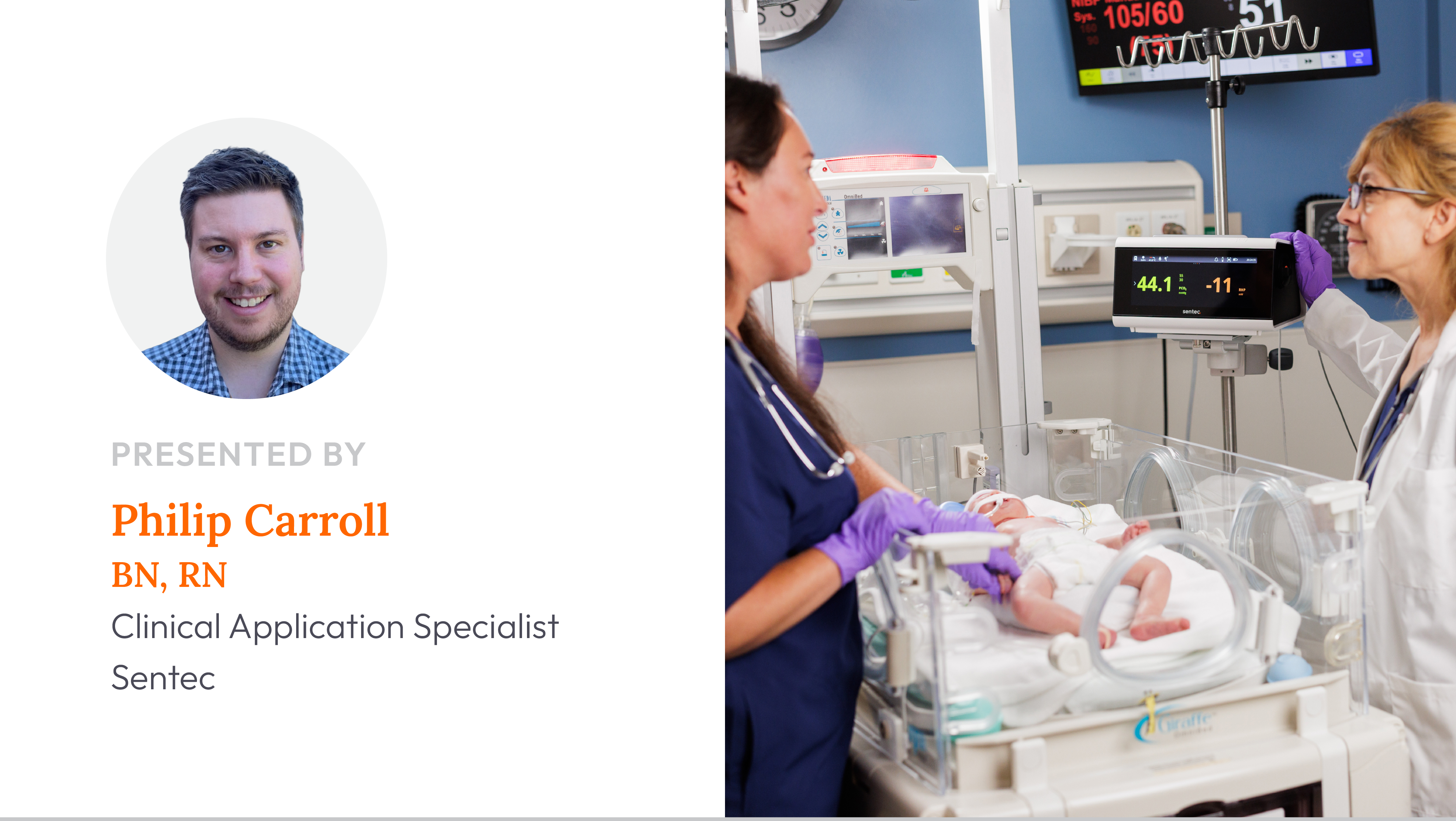
    Balancing Brain and Lung Protection in the NICU with Transcutaneous Monitoring

    Join us for a live webinar with Philip Carroll, BN, RN. Discover how respiratory status, CO₂ levels, and cerebral blood flow are connected — and why that matters for guiding gentle, neuroprotective ventilation.

  • Support

    Implementing Transcutaneous CO2 Monitoring: Lessons from a Level 3 NICU

    Rolling out any new monitoring technology across a large NICU is as much a change-management project as a clinical one. In this webinar, Emma Coombe — Lead Advanced Neonatal Nurse Practitioner at Liverpool Women's Hospital, a Level 3 unit caring for infants from 22 weeks' gestation — walks through her team's two-year journey implementing transcutaneous CO2 (TcCO2) monitoring: the trial, the data, the setbacks, and the outcomes so far.

  • On-Demand

    TCM in the NICU: Practical Applications, Guidelines, and Considerations

    Watch the On-Demand Session to explore practical applications of TCM in the NICU.