


Learning Objectives:
Describe the fundamental principles of ventilation and respiratory physiology as they relate to gas exchange, control of breathing, and key ventilatory parameters.
Differentiate between common PAP modalities and understand their clinical applications in managing sleep-related breathing disorders.
Identify and interpret key ventilatory monitoring tools and respiratory event types to effectively support PAP titration, recognize hypoventilation, and troubleshoot therapy issues.
DOWNLOAD THE WEBINAR RECORDING
Stay up-to-date with Sentec
Related Posts

Live
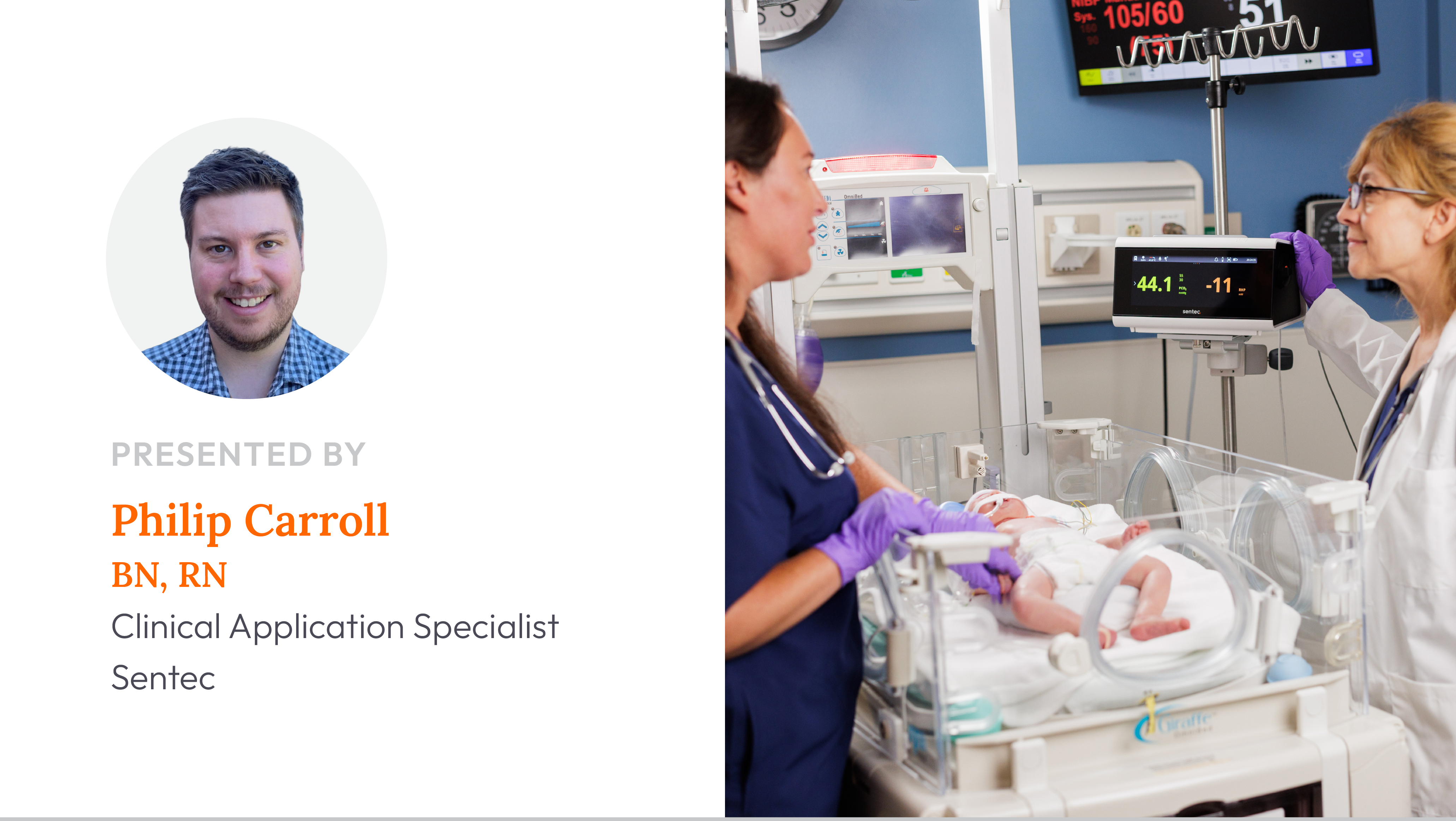
Expanded Use Cases for Transcutaneous CO2 Monitoring in the NICU
Philip Carroll explores why continuous CO₂ monitoring matters across neonatal respiratory, neurologic and cardiopulmonary care, and where tcPCO₂ trending can add value during the moments that matter most.
Live
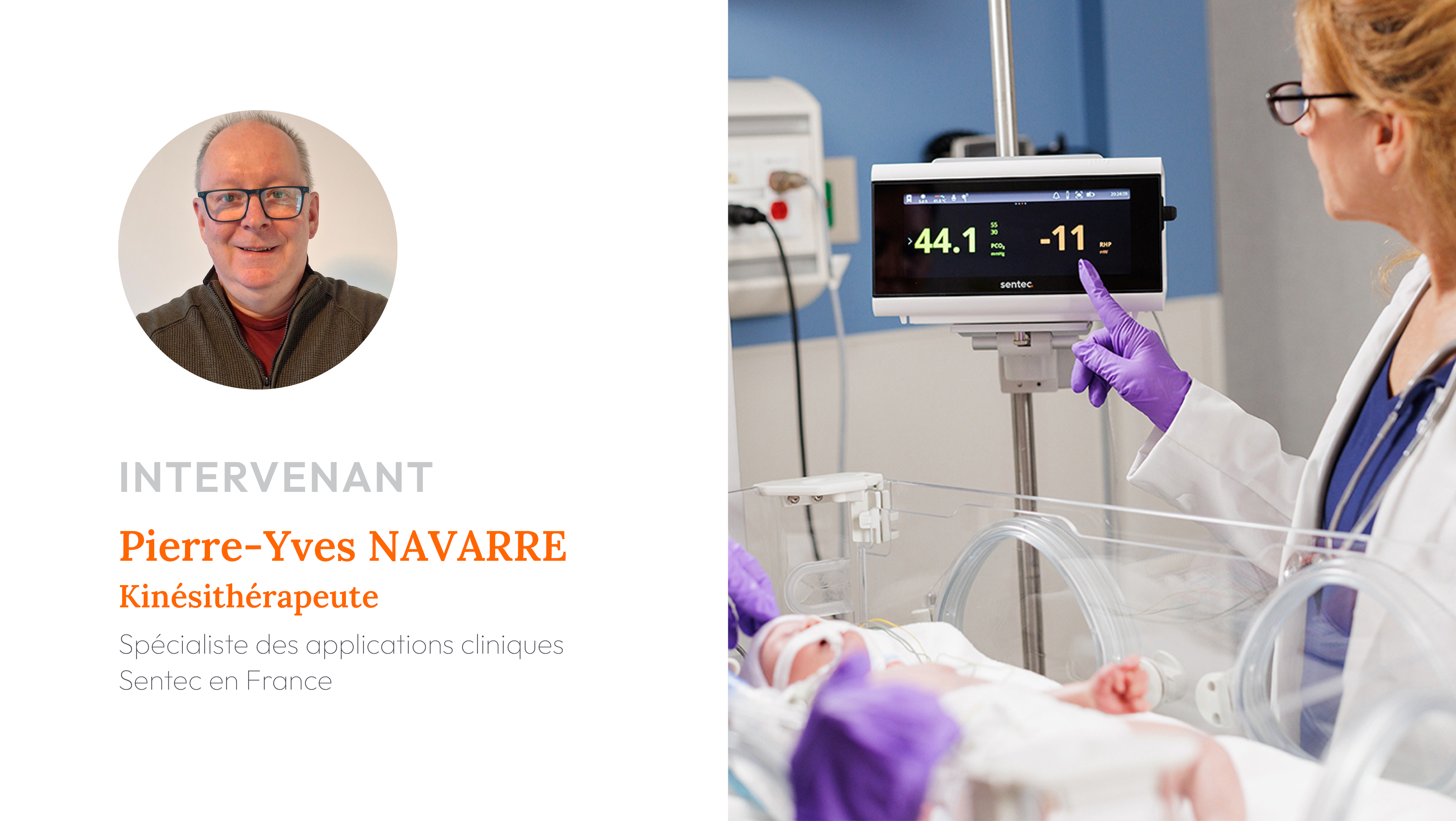
Surveillance transcutanée dans l’USIN: Applications pratiques, lignes directrices et considérations
Rejoignez Pierre-Yves Navarre, Kinésithérapeute, Spécialiste des applications cliniques, Sentec en France, qui vous présentera les applications pratiques, les lignes directrices et les considérations clés de la surveillance transcutanée du CO2 en néonatologie.

On-Demand
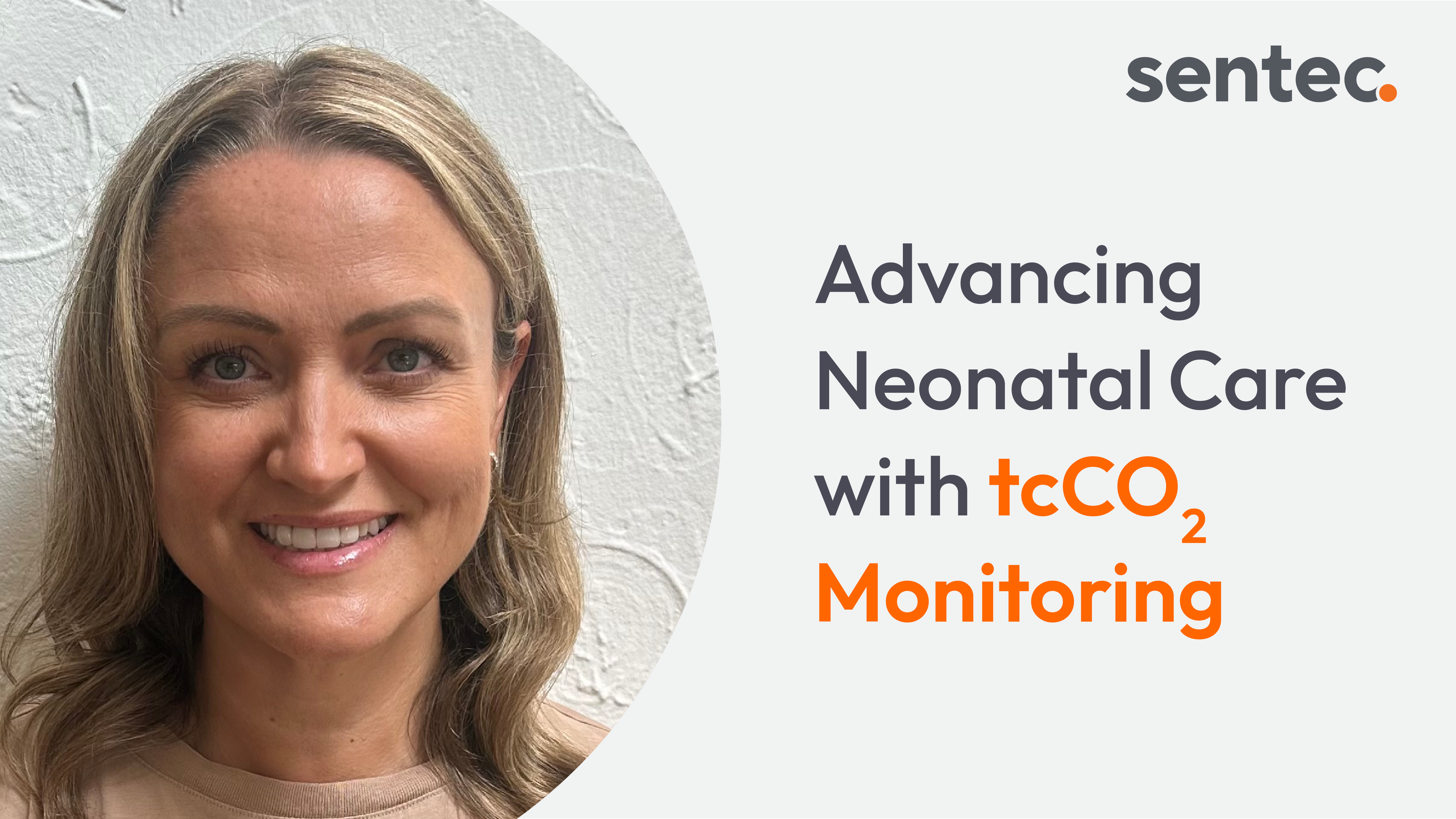
Advancing Neonatal Care with tcCO2 Monitoring: Case Studies from Liverpool Women’s Hospital
Emma Coombe shares how Liverpool Women’s Hospital uses transcutaneous CO₂ monitoring in neonatal care, highlighting reduced blood gas sampling, proactive ventilation management, and real-world NICU case studies.