

MENU

Live
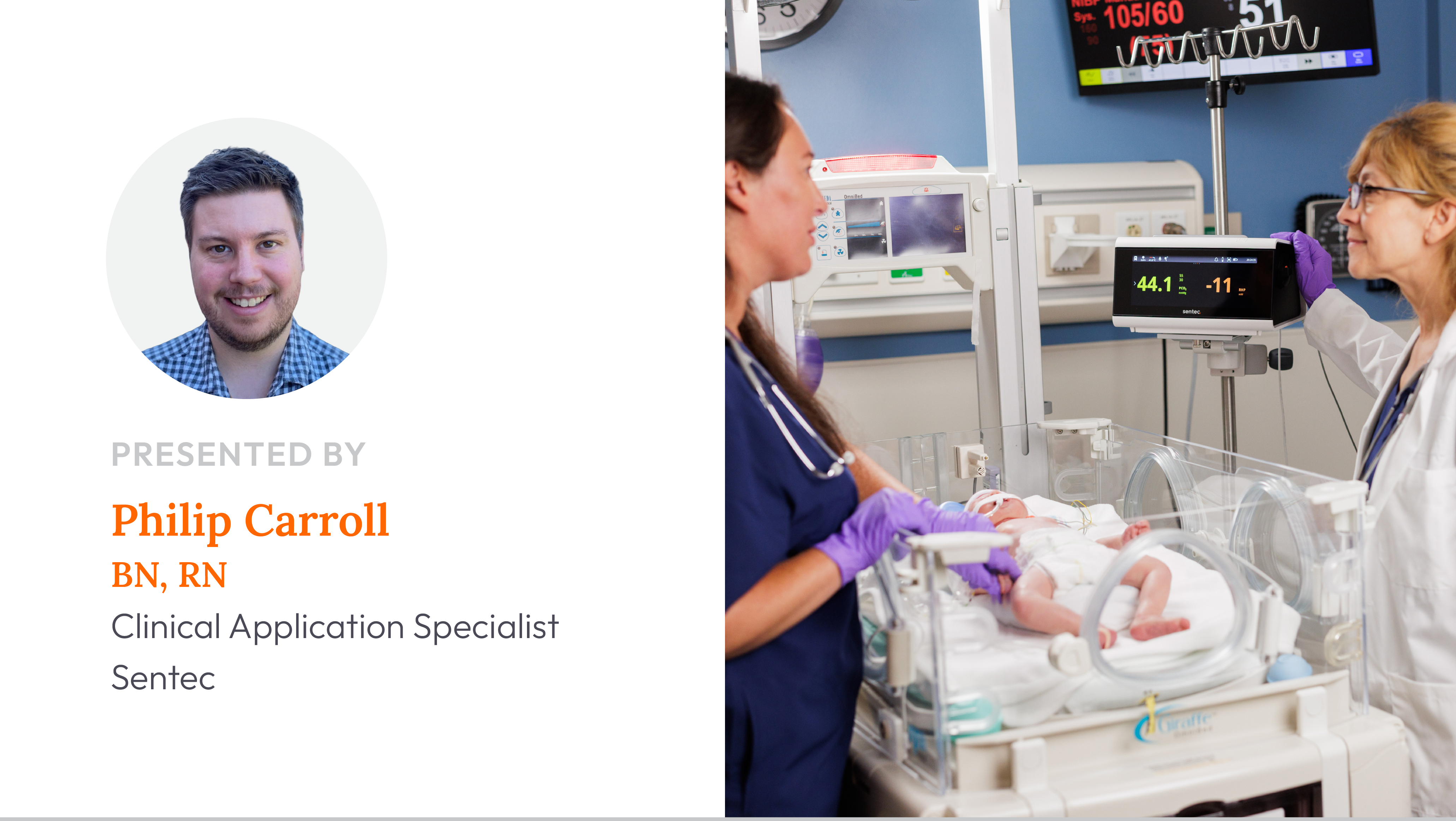
Expanded Use Cases for Transcutaneous CO2 Monitoring in the NICU
Philip Carroll explores why continuous CO₂ monitoring matters across neonatal respiratory, neurologic and cardiopulmonary care, and where tcPCO₂ trending can add value during the moments that matter most.

Live
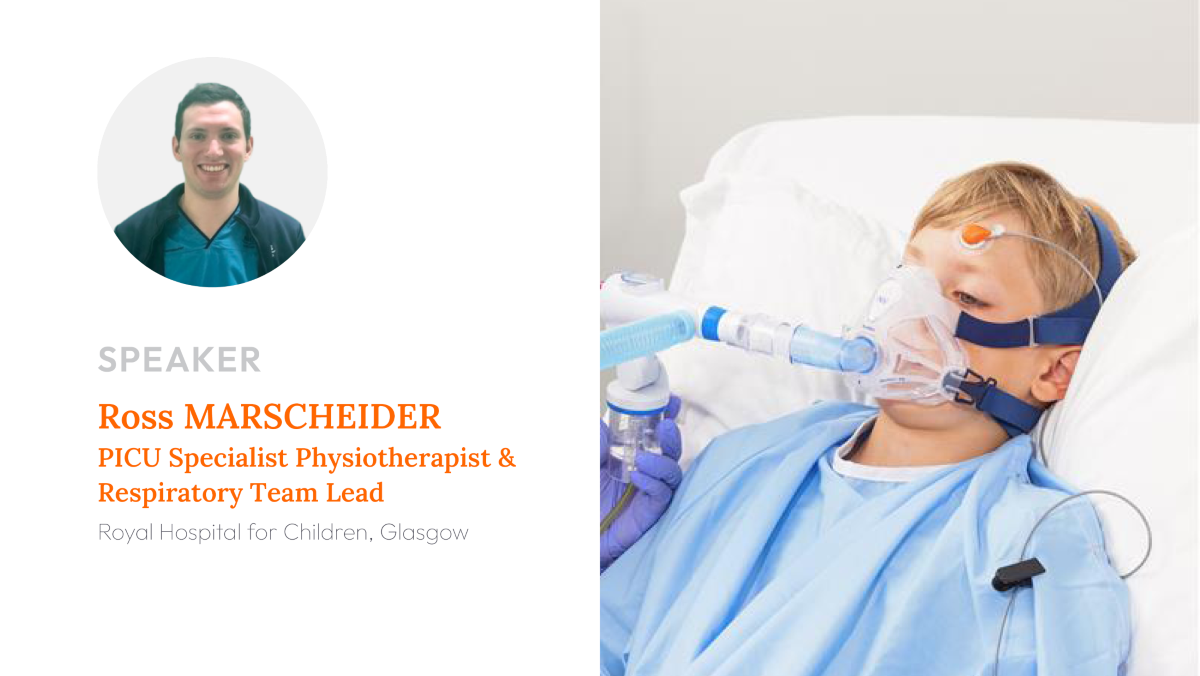
Airway Clearance in Paediatric Patients: Integrating IPV into Physiotherapy Practice
Join Ross Marscheider, PICU Specialist Physiotherapist & Respiratory Team Lead at the Royal Hospital for Children Glasgow, for an educational session drawing on 13 years of IPV practice within a large UK paediatric tertiary centre.

On-Demand
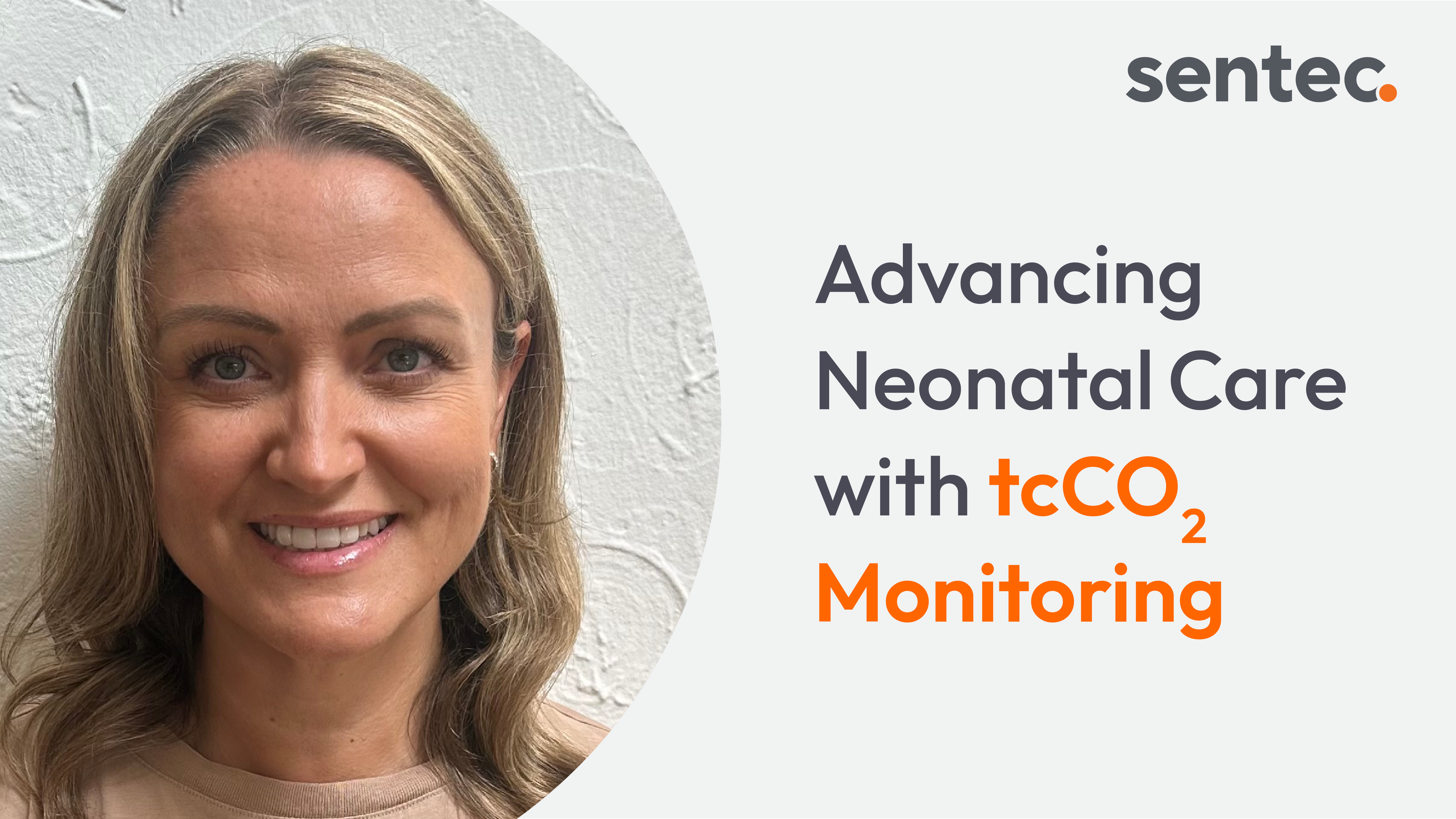
Advancing Neonatal Care with tcCO2 Monitoring: Case Studies from Liverpool Women’s Hospital
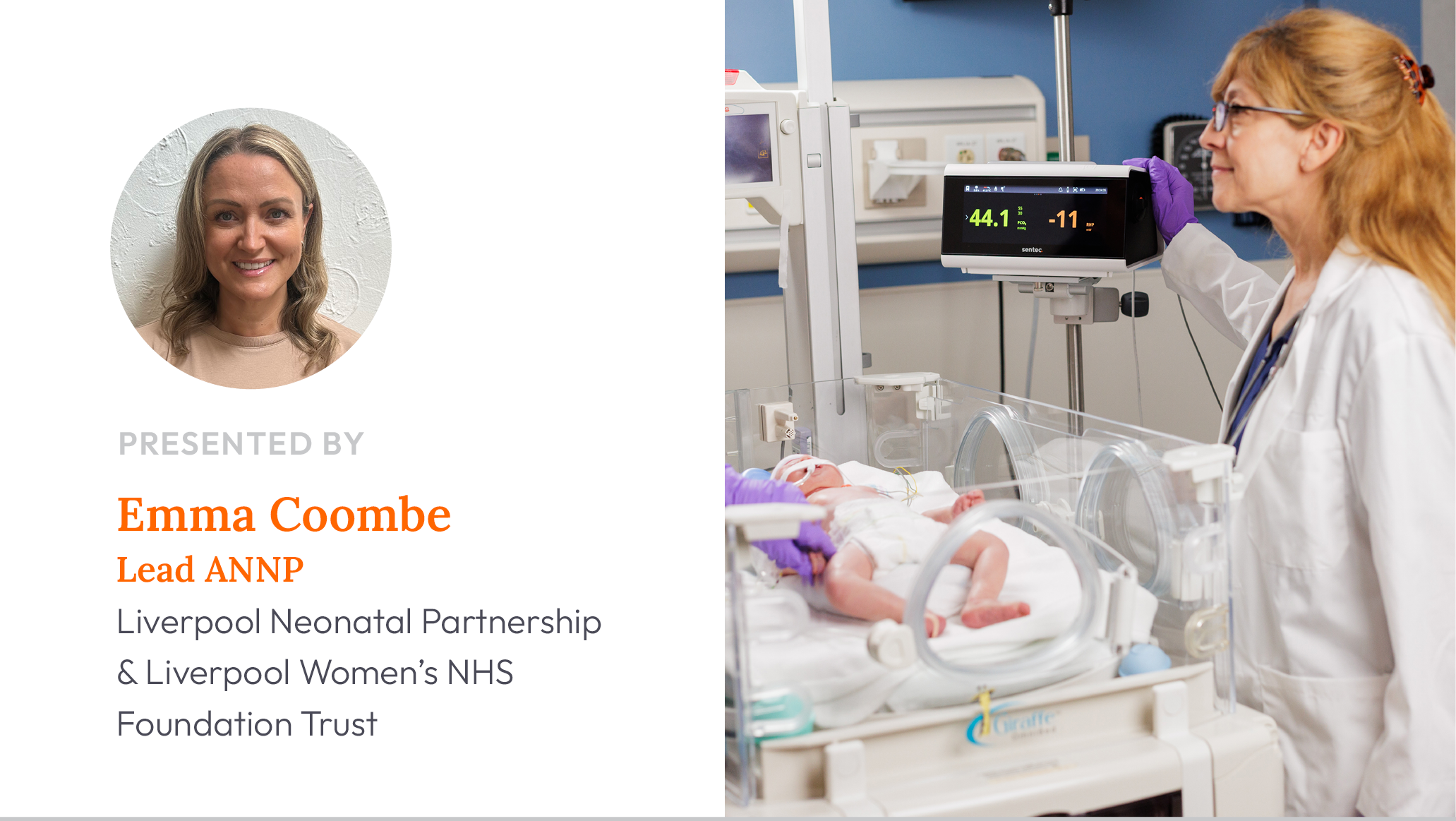
Emma Coombe shares how Liverpool Women’s Hospital uses transcutaneous CO₂ monitoring in neonatal care, highlighting reduced blood gas sampling, proactive ventilation management, and real-world NICU case studies.
On-Demand
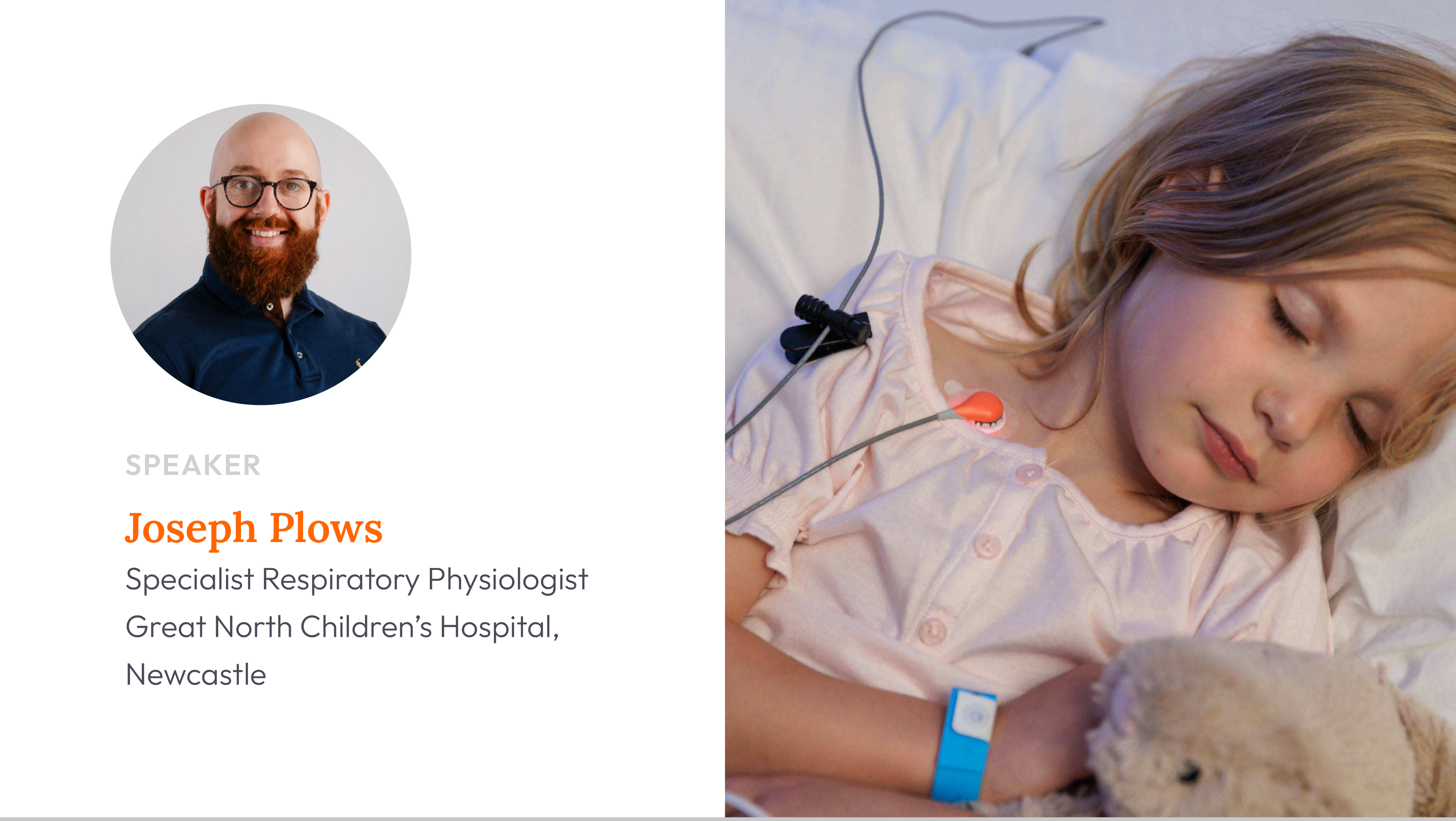
An overview of paediatric sleep studies and the use of TcCO₂ monitoring
Learning Objectives: Gain [...]
On-Demand
Balancing Brain and Lung Protection in the NICU with Transcutaneous Monitoring
Join us for a live webinar with Philip Carroll, BN, RN. Discover how respiratory status, CO₂ levels, and cerebral blood flow are connected — and why that matters for guiding gentle, neuroprotective ventilation.
Support
Implementing Transcutaneous CO2 Monitoring: Lessons from a Level 3 NICU
Rolling out any new monitoring technology across a large NICU is as much a change-management project as a clinical one. In this webinar, Emma Coombe — Lead Advanced Neonatal Nurse Practitioner at Liverpool Women's Hospital, a Level 3 unit caring for infants from 22 weeks' gestation — walks through her team's two-year journey implementing transcutaneous CO2 (TcCO2) monitoring: the trial, the data, the setbacks, and the outcomes so far.

On-Demand
Advancing Neonatal Care with Proactive tcCO₂ Monitoring
Join Emma Coombe, Lead ANNP, for an in‑depth webinar on proactive transcutaneous CO₂ (tcCO₂) monitoring in the NICU. Learn how continuous, non‑invasive monitoring can support child‑centered care, reduce blood draws, and enhance clinical decision‑making while improving workflow efficiency.