

MENU
Product Brochure
Continuous, Noninvasive CO2 Monitoring for Sleep and NIV Centers
Accurately measure CO2 in the sleep lab and in NIV management units.
Clinical Impact Summary
Transcutaneous CO2 monitoring for the titration and management of non-invasive ventilation
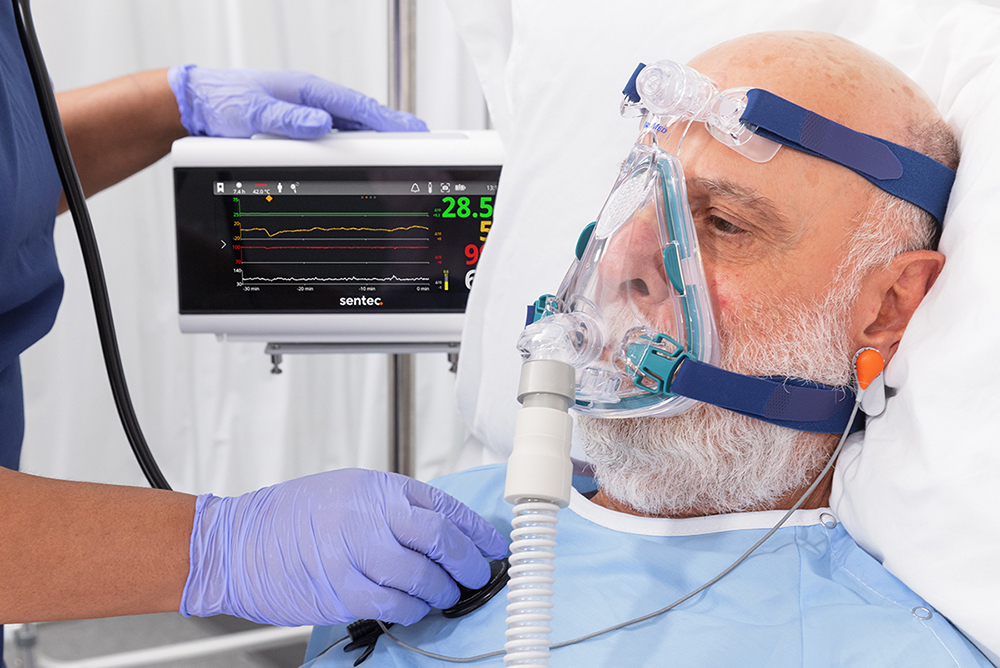
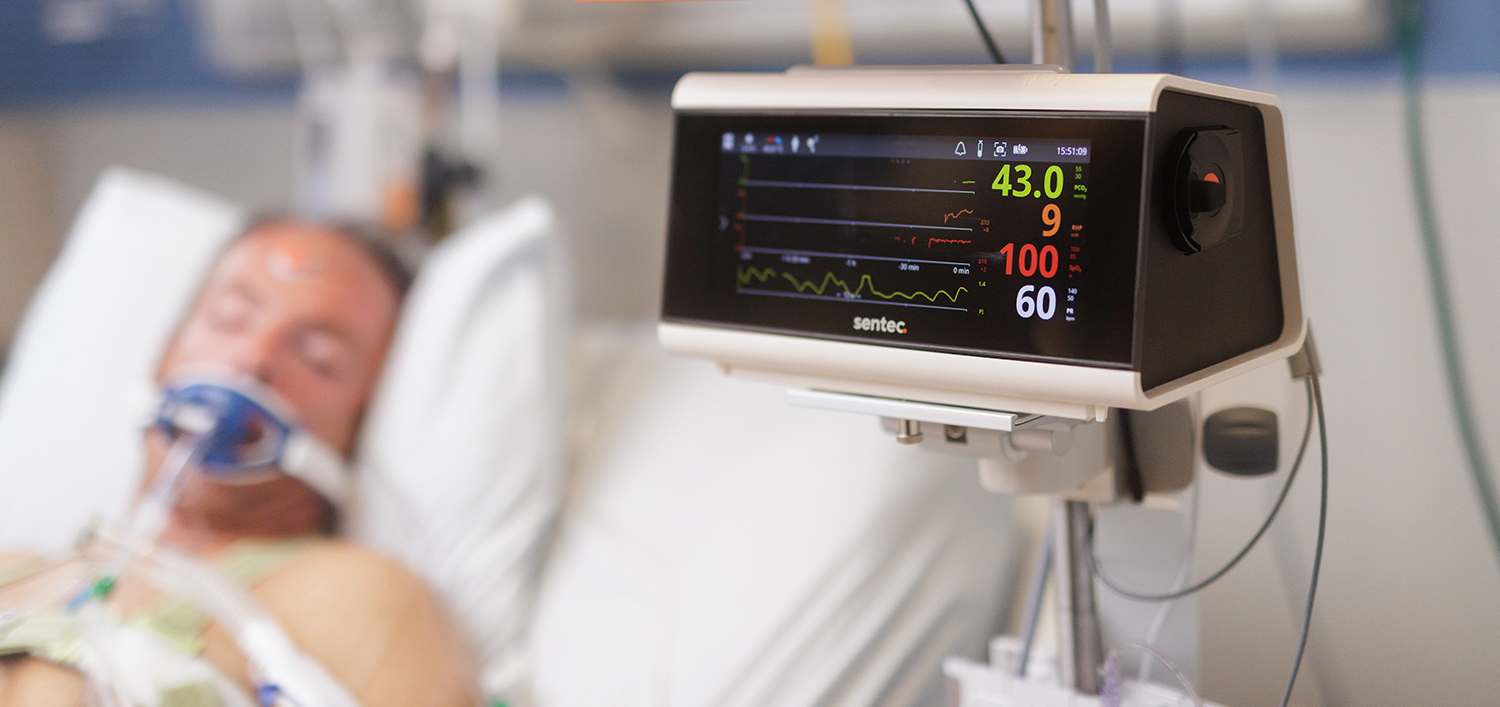
The Sentec Transcutaneous Monitoring System provides accurate, continuous CO₂ values throughout the night for both diagnostic sleep studies and noninvasive ventilation (NIV) management.
Clinical Resource
Electrical Impedance Tomography (EIT) in Neonatal Respiratory Care: Curated Bibliography
Peer-reviewed studies on EIT in neonatal ventilation—covering validation, therapies, personalized care, weaning, delivery room use, and guidelines.

Whitepaper
Reducing Pain in the NICU: A Quality Improvement Initiative
Discover how Woman’s Hospital cut blood gas draws by 50% using transcutaneous CO₂ monitoring, standardized protocols, and staff-led care improvements.

Patient Story
Ella’s Story with IPV Therapy
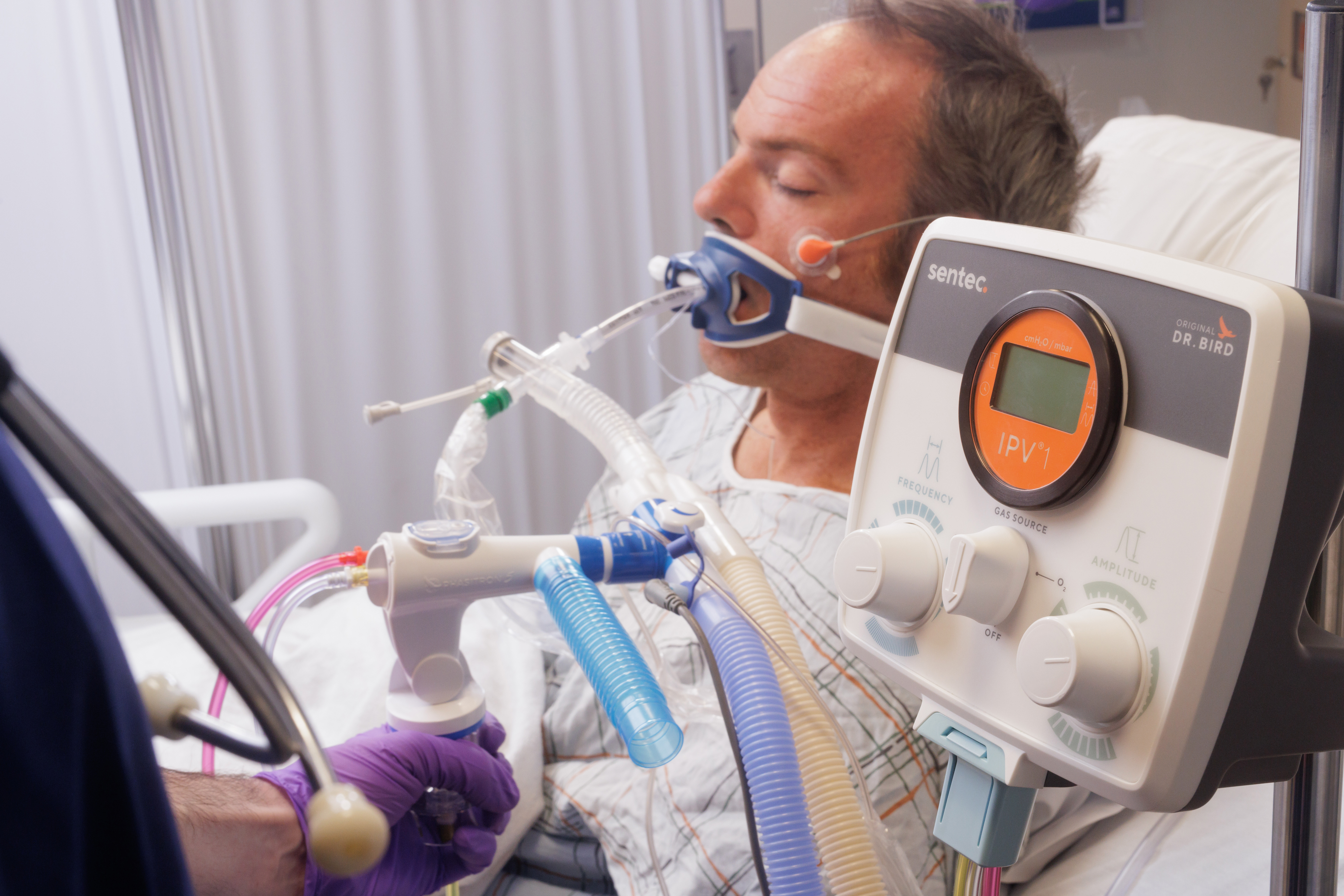
Ella lives with nemaline myopathy, a rare genetic disorder affecting approximately 1 in 50,000 births. This condition weakens the skeletal muscles responsible for movement, making everyday tasks like walking, speaking, swallowing, and even breathing uniquely challenging.

Sentec Article
How Transcutaneous CO2 Monitoring Can Help NICU Nurses Advocate for Patients
Continuous CO2 monitoring is a powerful tool that can help NICU nurses as they advocate for their tiny patients. Discover 4 ways it can help amplify your voice.

Evidence Summary
Restoring Gas Exchange Capacity with Intrapulmonary Percussive Ventilation (IPV) Therapy
The IPV Therapy Clinical Evidence Brochure offers an overview of key clinical studies that highlight the efficacy and safety of intrapulmonary percussive ventilation (IPV) therapy across diverse patient populations.

Whitepaper
Pain and the Neonatal Brain: History, Outcomes, and Strategies for Improvement
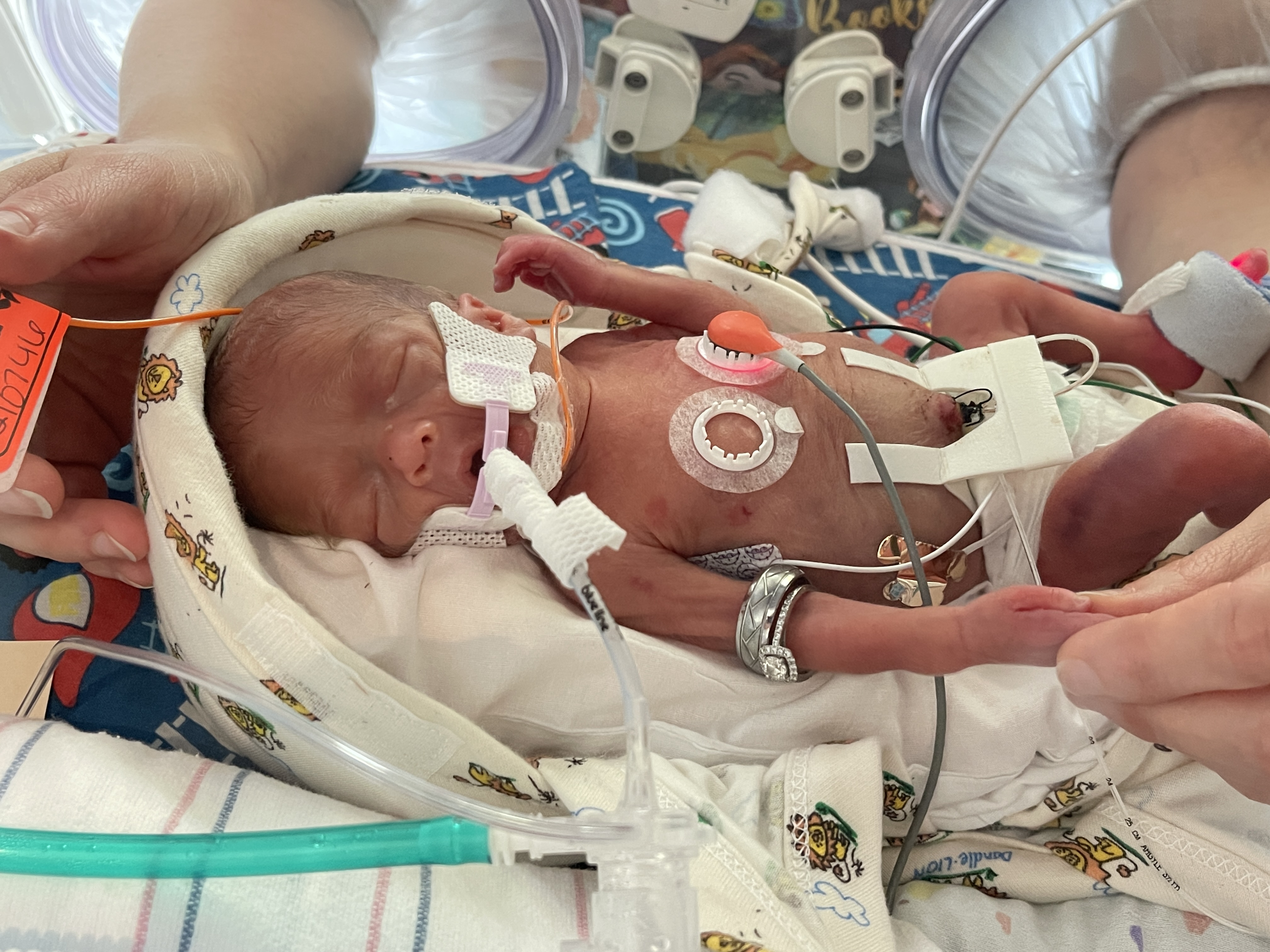
Patients in the NICU are among the most delicate residents in the hospital, yet studies have shown as many as 17 painful procedures being performed on neonates each day. Many painful procedures are related to blood draws for lab tests used to monitor patients and titrate support.

Whitepaper
Reducing Blood Loss in the NICU
Blood draws for lab work are well-established as one of the main drivers of anemia of prematurity leading to a high rate of transfusion in the NICU. Learn more about the problem and how transcutaneous monitoring can be part of the solution.

Whitepaper
Transcutaneous CO2 Monitoring in Routine and Advanced Pediatric Sleep Studies
Lisa DeGuzman, RRT-NPS, RPSGT, CCSH discusses the role of transcutaneous CO2 monitoring in the Nemours Children’s Hospital Pediatric Sleep Center, highlighting its applications in detecting and guiding the management of sleep-disordered breathing among the pediatric population.