Neonatal Intensive Care Summer 2025:
Reducing Pain in the NICU: A Quality Improvement Initiative

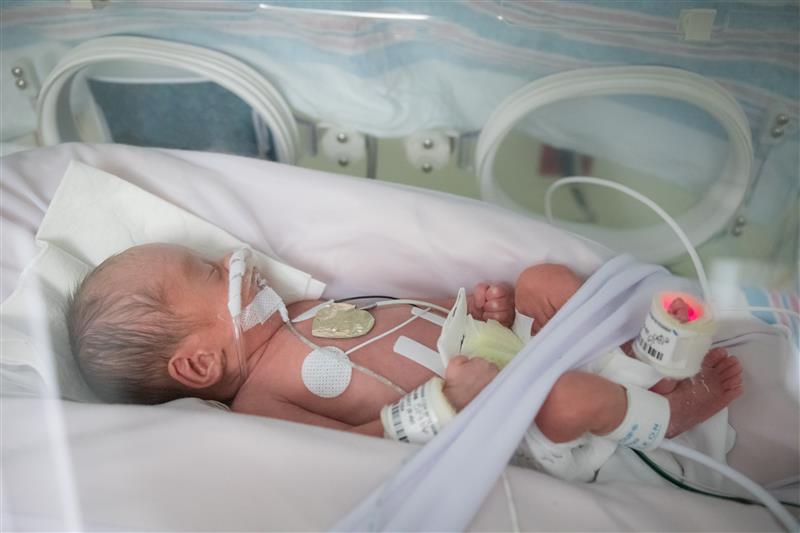
As neonatal medicine advances and the viability of “micropreemie” babies increases, care teams face a difficult balance: life-saving intervention vs. long-term developmental impact.

In this whitepaper, the NICU team at Woman’s Hospital (Baton Rouge, LA) shares how they:

  • Reduced blood gas draws by over 50% in extremely premature infants
  • Built clinical trust in tcPCO₂ monitoring across RT and nursing teams
  • Standardized CO₂ monitoring protocols to limit noxious stimuli
  • Empowered staff to use real-time, noninvasive CO₂ data for clinical decision-making

With transcutaneous CO₂ monitoring, they achieved measurable improvements in patient comfort and safety — while maintaining visibility into these patient’s constantly changing ventilation status.

transcutaneous monitoring in the NICU: clinical utility and impact

Neonatal Intensive Care Summer 2025:
Reducing Pain in the NICU: A Quality Improvement Initiative

As neonatal medicine advances and the viability of “micropreemie” babies increases, care teams face a difficult balance: life-saving intervention vs. long-term developmental impact.

In this whitepaper, the NICU team at Woman’s Hospital (Baton Rouge, LA) shares how they:

  • Reduced blood gas draws by over 50% in extremely premature infants
  • Built clinical trust in tcPCO₂ monitoring across RT and nursing teams
  • Standardized CO₂ monitoring protocols to limit noxious stimuli
  • Empowered staff to use real-time, noninvasive CO₂ data for clinical decision-making

With transcutaneous CO₂ monitoring, they achieved measurable improvements in patient comfort and safety — while maintaining visibility into these patient’s constantly changing ventilation status.

Meet the tCOM+

Developed with care, designed for confidence.

The tCOM+ offers continuous monitoring of tcPCO2, SpO2, and PR with a sleek new look and feel. This latest model includes significant software advances that improve workflow for providers, while continuing to support reduced blood draws and proactive ventilator management across care areas.
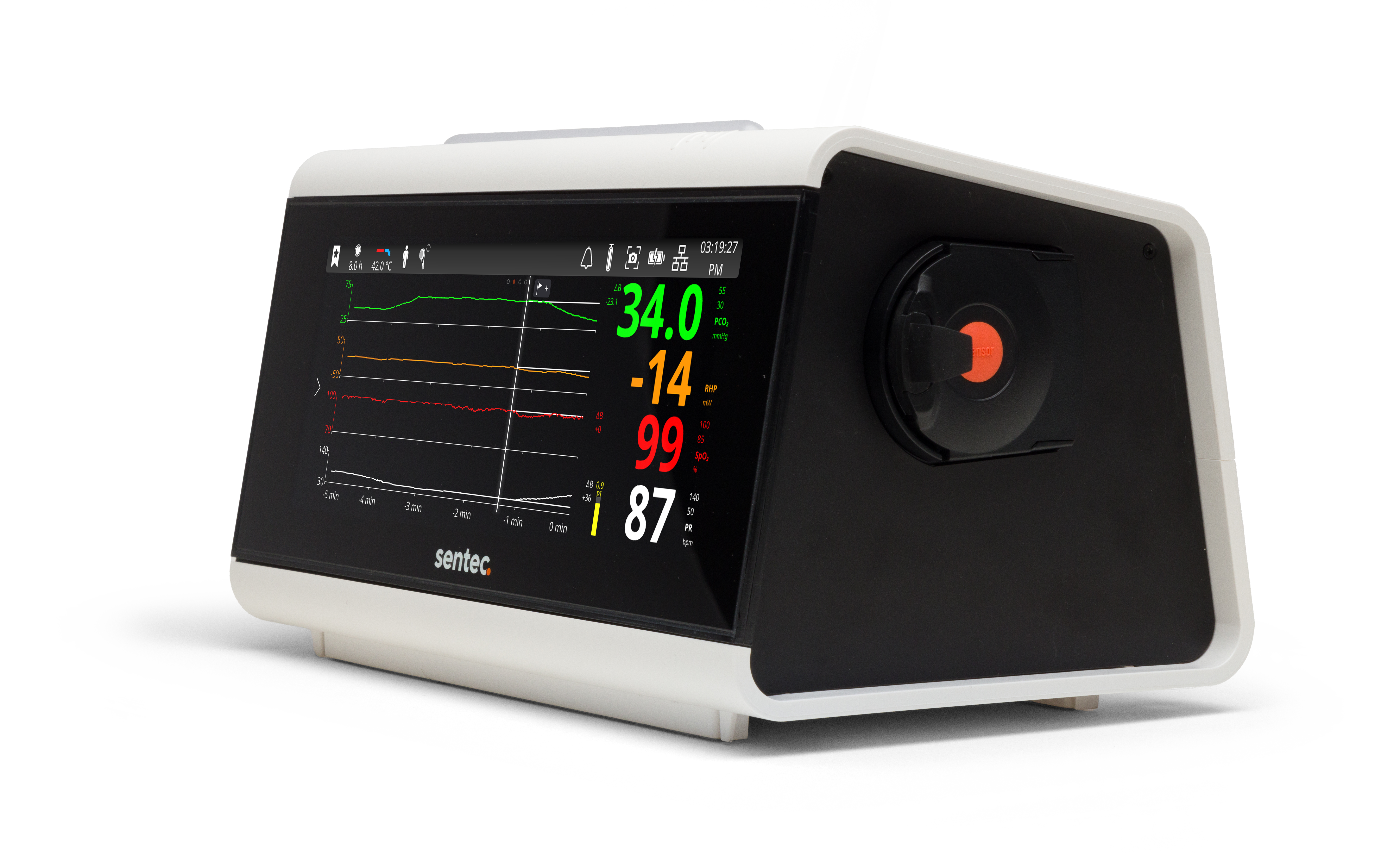
tCOM-device-angled

Stay up-to-date with Sentec


Related Posts

  • Sentec Article

    Protecting the Preterm Brain: The Role of CO2 in the First 72 Hours

    Preterm infants are highly vulnerable, with their underdeveloped physiology placing them at increased risk for complications. Among the many priorities in their care, neuroprotection is central, as the preterm brain is especially susceptible to injury that can lead to both short- and long-term consequences.

  • Sentec Article

    Targeting CO2 to Improve Outcomes in Patients with Chronic Hypercapnia

    A growing body of research raises an important question: Are patients with chronic hypercapnic respiratory failure being adequately managed? For these individuals, the presence of elevated CO2 levels alongside normal or near-normal pH levels — a result of renal compensation — is often overlooked.

  • Sentec Article

    Sleep and Breathing in Neuromuscular Disorders

    For people living with neuromuscular disorders (NMD), such as myasthenia gravis, Duchenne muscular dystrophy, and amyotrophic lateral sclerosis (ALS), sleep and breathing difficulties can affect daily life and long-term health. Weakened respiratory muscles can make breathing more difficult, while disrupted sleep adds to the burden of the condition.