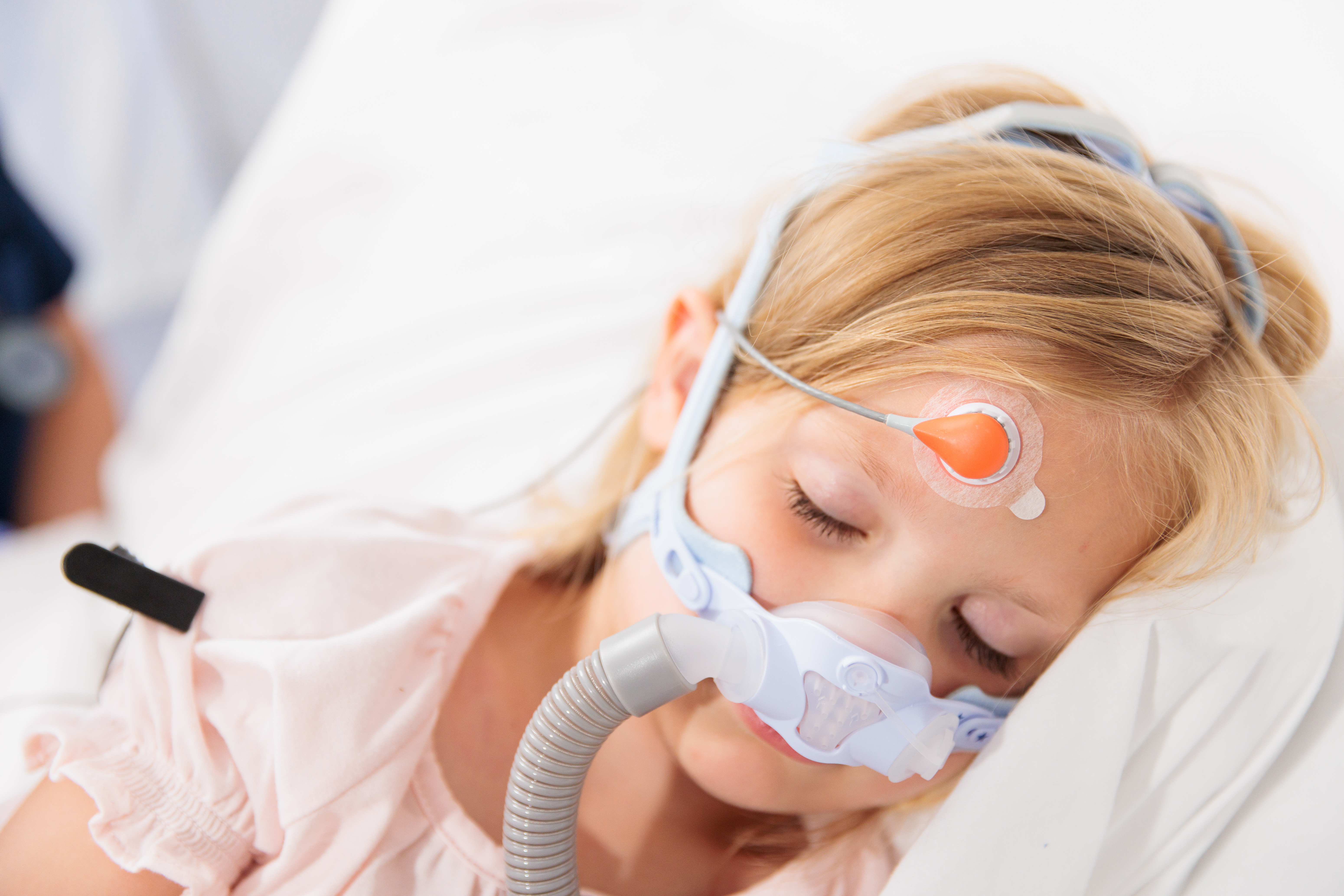
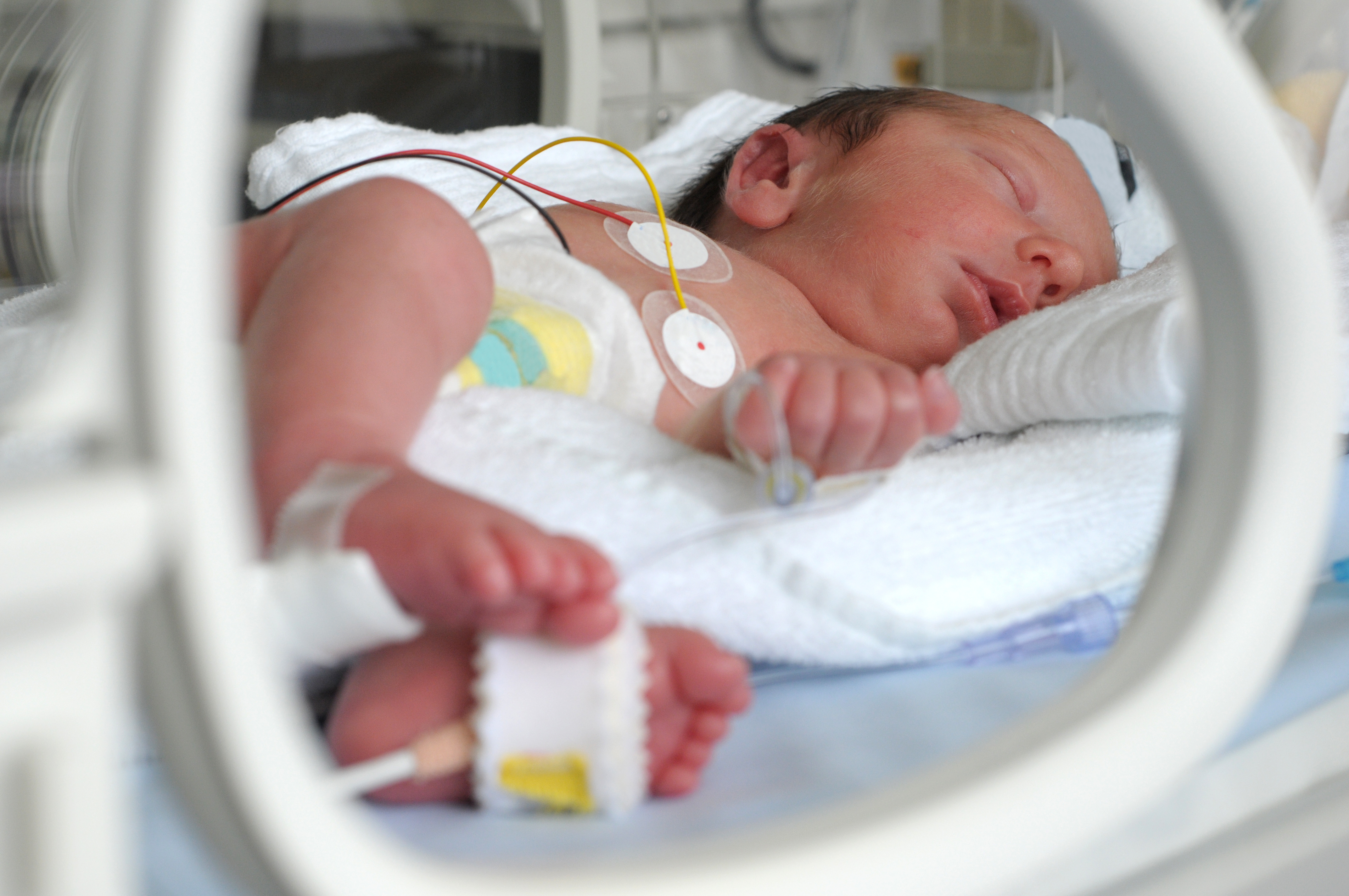
Identifying and Managing Severe Pediatric Sleep Disorders with Transcutaneous CO2 Monitoring View Larger Image Learning Objectives:Review common diagnoses associated with abnormal gas exchange seen in the pediatric sleep lab.Explain how transcutaneous CO2 monitoring can assist in the management and titration of respiratory support.Describe how transcutaneous CO2 monitoring can be implemented into protocols to initiate and titrate respiratory support.APPROVED FOR THE FOLLOWING CE CREDITS: 1 contact hour Continuing Respiratory Care Education (CRCE) credit by the American Association for Respiratory Care (AARC) | Course #192795000 1 CEC by the American Association of Sleep Technologists, AAST CEC | Course #A31921 OTHER MODULES YOU MIGHT LIKE:CE, On-Demand TCM in the NICU: Practical Applications, Guidelines, and ConsiderationsKarissa Romine BSN, RN Clinical Application Specialist, SentecRead More 12NextRegister Stay up-to-date with Sentec Brooke Reagan2025-03-19T16:10:13+00:00 Share This Story, Choose Your Platform! FacebookXRedditLinkedInWhatsAppTumblrPinterestVkXingEmail