
Post By: Chelsea Lea, BSN, RNC-NIC
Pain and the Neonatal Brain: History, Outcomes, and Strategies for Improvement
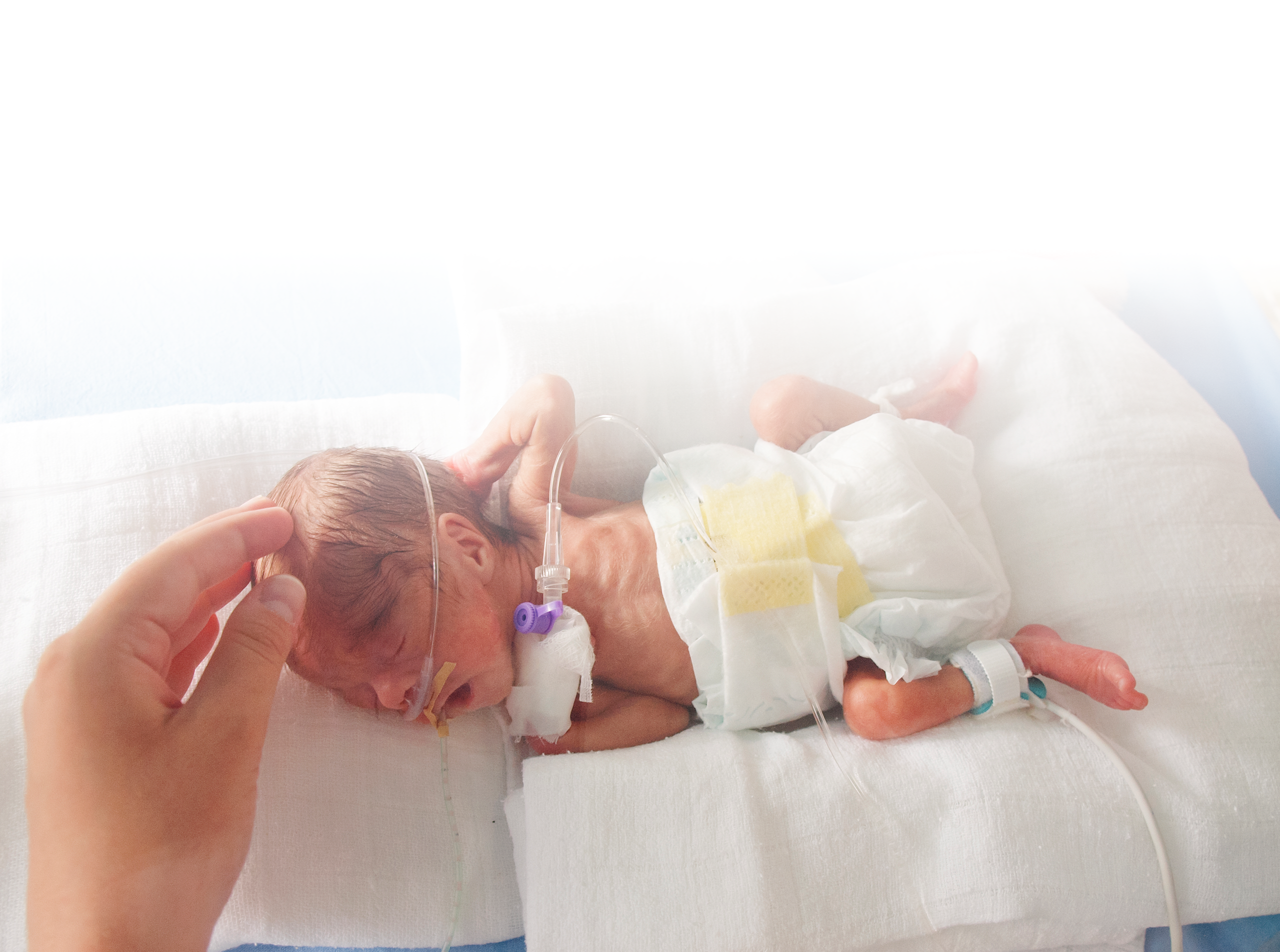
Patients in the NICU are among the most delicate residents in the hospital, yet studies have shown as many as 17 painful procedures being performed on neonates each day.1 Many painful procedures are related to blood draws for lab tests used to monitor patients and titrate support.
However, more frequent blood draws lead to increased instances of pain, which can result in both short- and long-term adverse outcomes for these fragile patients.
It is essential to the quality of life and long-term outlook of these preterm infants that a comprehensive approach is taken to address pain in the NICU setting.
Neonates and pain: a history2
Prior to the 21st century, the pain experience in neonates was largely unrecognized and even denied among medical professionals. During these times, it was widely believed that infants were less evolved humans than those who were grown, and therefore could not experience pain at the same level as a more mature person. Because of this long-held belief, there was skepticism of data that suggested that infants do feel pain.
Infant responses to pain were brushed off as physiological or behavioral reflexes rather than legitimate painful events for the child. This view was held so firmly that infant surgery was routinely performed without the aid of anesthesia until the late 1980s…
To read the full whitepaper complete the form on this page.
To download the whitepaper, please fill out the form below: