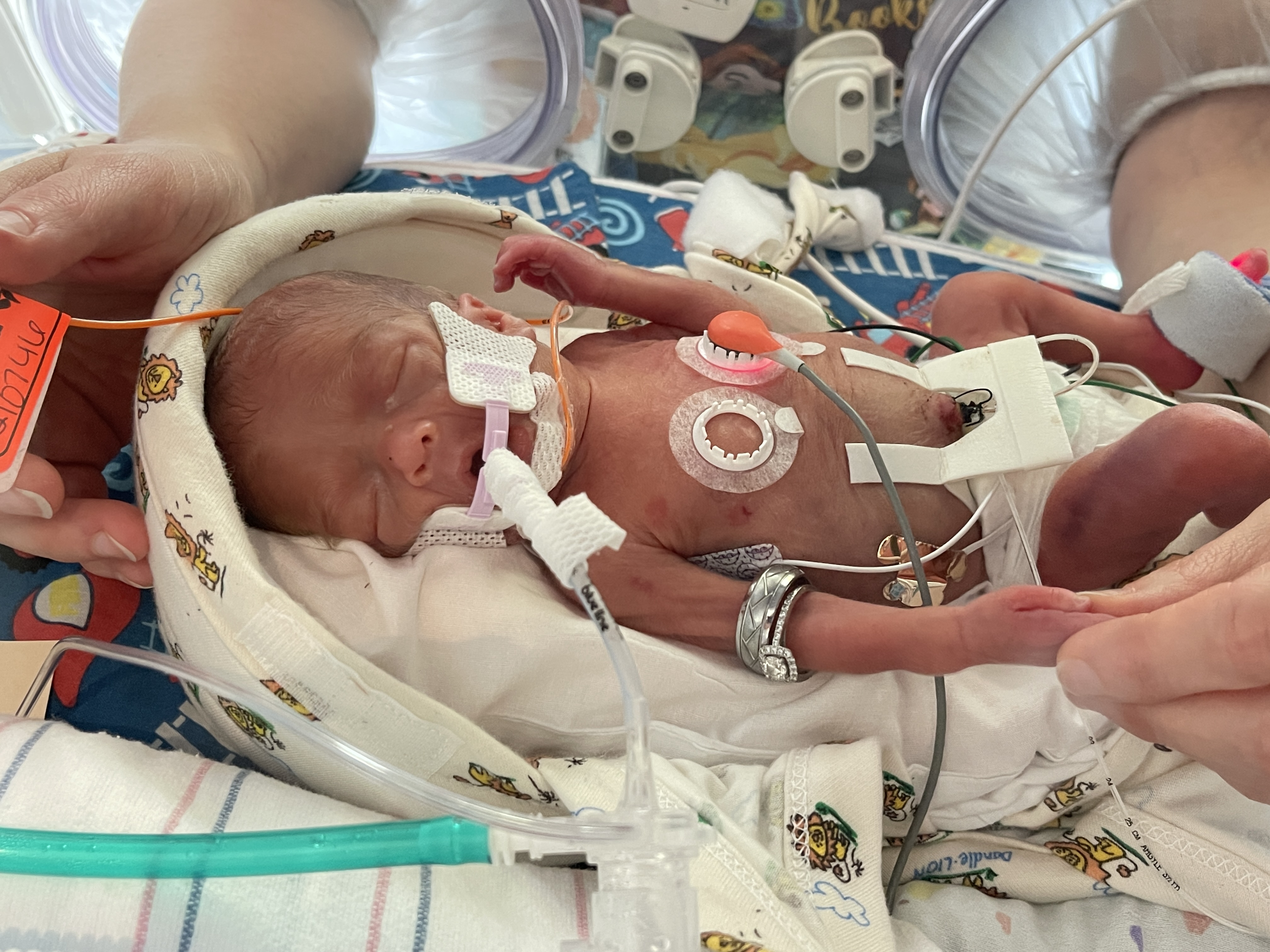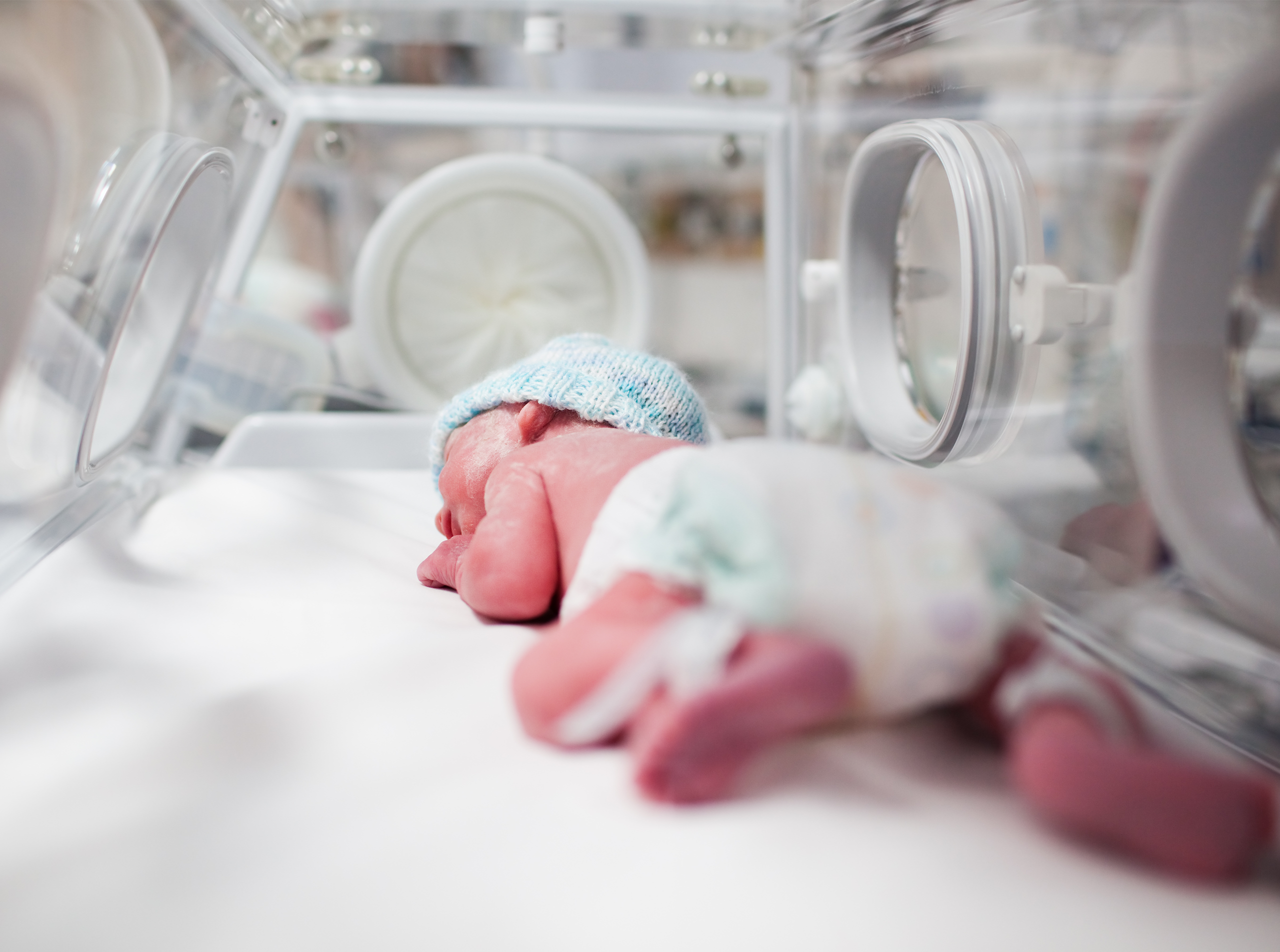

Your respiratory care team works across the hospital — from the delivery room to intensive care. Your tools should do the same.
The Sentec Transcutaneous Monitoring System allows respiratory therapists and other providers to maintain continuous visibility to accurate CO2 values and trends across patient populations and care settings. Wherever your team is headed next, Sentec transcutaneous monitoring can meet you there.


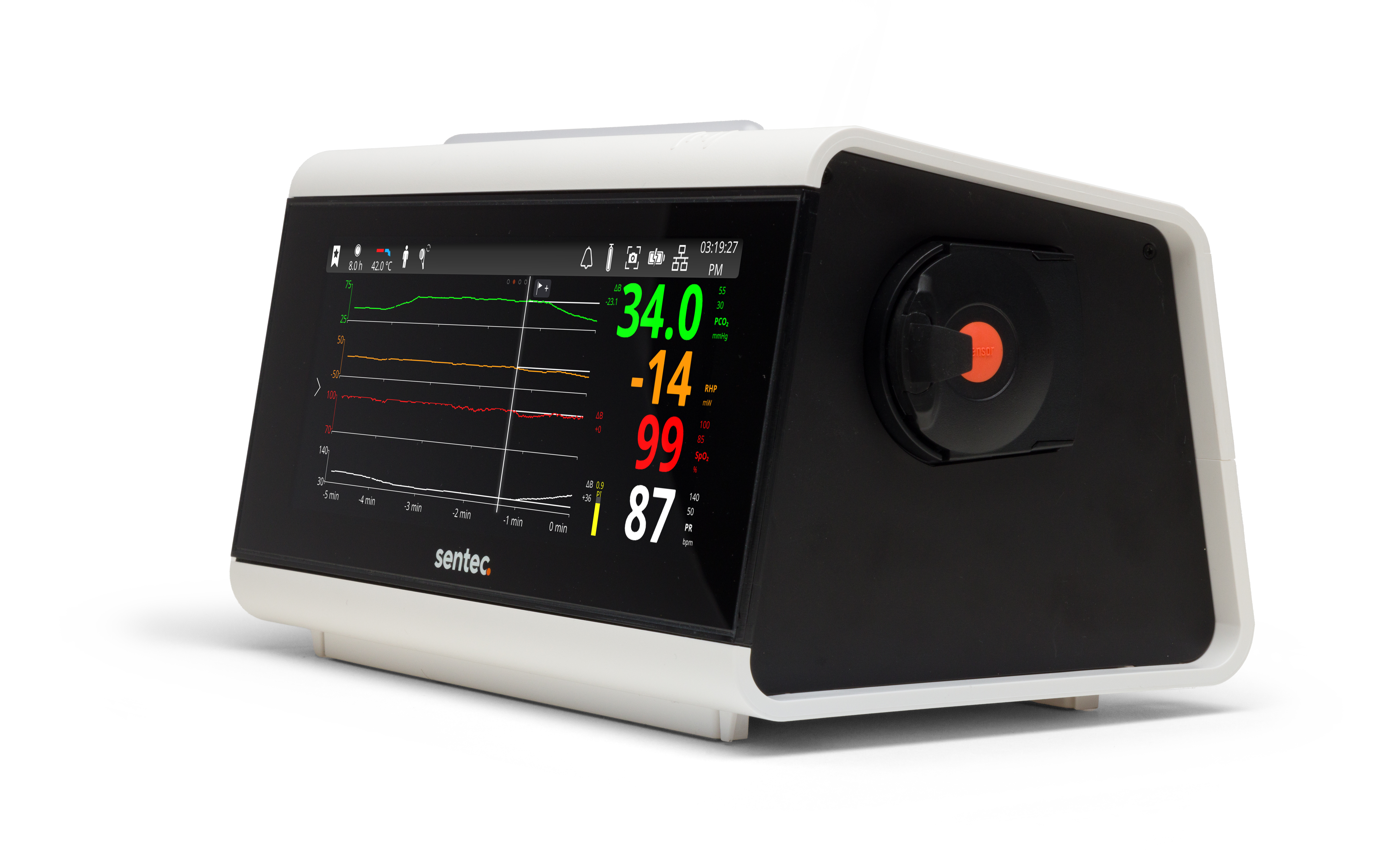
Meet the tCOM+
Developed with care, designed for confidence.
The tCOM+ offers continuous monitoring of tcPCO2, SpO2, and PR with a sleek new look and feel. This latest model includes significant software advances that improve workflow for providers, while continuing to support reduced blood draws and proactive ventilator management across care areas.
Stay up-to-date with Sentec
Resources:
- Bresesti, I., et al. Feasibility of Transcutaneous PCO2 Monitoring During Immediate Transition After Birth — A Prospective Observational Study. Front Pediatr. 2020.
- Travers, C.P., et al. A Quality Improvement Bundle to Improve Outcomes in Extremely Preterm Infants in the First Week. Pediatrics. 2022.
- Hall, R., et al. Pain Management in Newborns. Clin Perinatol. 2014.
- Alves-Dunkerson, J.A., et al. Cost Analysis of a Neonatal Point-of-Care Monitor. Am J Clin Pathol. 2002.
- Donnelly, A., et al. Overcoming Challenges and Driving Consistent Implementation in an Academic Medical Center’s Level IV NICU. RT Magazine. 2021.
- Mukhopadhyay, S., et al. Neonatal Transcutaneous Carbon Dioxide Monitoring — Effect on Clinical Management and Outcomes. Respir Care. 2016.
- Alves-Dunkerson, J.A., et al. Cost Analysis of a Neonatal Point-of-Care Monitor. Am J Clin Pathol. 2002.
- Aly, S., et al. Transcutaneous Carbon Dioxide Monitoring with Reduced-Temperature Probes in Very Low Birth Weight Infants. Am J Perinatol. 2016.
- Nouraeyan, N., et al. Surfactant administration in neonates: A review of delivery methods. Can J Respir Ther. 2014.
- Gangaram-Panday, N.H., et al. Transcutaneous carbon dioxide monitoring during therapeutic hypothermia for neonatal encephalopathy. Pediatr Res. 2022.
- Berkenbosch, J.W., et al. Transcutaneous carbon dioxide monitoring during high-frequency oscillatory ventilation in infants and children. Crit Care Med. 2002.
- Emeriaud, G., et al. Executive Summary of the Second International Guidelines for the Diagnosis and Management of Pediatric Acute Respiratory Distress Syndrome (PALICC-2). Pediatr Crit Care. 2023.
- Yang, J., et al. Agreement Between Arterial Carbon Dioxide Levels with End-Tidal Carbon Dioxide Levels and Associated Factors in Children Hospitalized with Traumatic Brain Injury. JAMA Netw Open. 2019.
- Bhalla, A., et al. Accuracy of Transcutaneous Carbon Dioxide Levels in Comparison to Arterial Carbon Dioxide Levels in Critically Ill Children. Respir Care. 2019.
- Tobias, J.D., et al. Noninvasive Monitoring of Carbon Dioxide During Respiratory Failure in Toddlers and Infants End Tidal Versus Transcutaneous Carbon Dioxide. Anesthesia & Analgesia. 1997.
- Shaikh, N., et al. Association of transcutaneous CO2 with respiratory support: a prospective double blind observational study in children with bronchiolitis and reactive airway disease. J Clin Monit Comput. 2020.
- Tingay, D.G., et al. Monitoring of end-tidal carbon dioxide and transcutaneous carbon dioxide during neonatal transport. Arch Dis Child Fetal Neonatal Ed. 2005.
- van Oppen, J., et al. What Is the Potential Role of Transcutaneous Carbon Dioxide in Guiding Acute Noninvasive Ventilation? Resp Care. 2014.
- Schwarz, S., et al. Continuous non-invasive PCO2 monitoring in weaning patients: Transcutaneous is advantageous over end-tidal PCO2. Respirology. 2017.
- Shackel, E., et al. Use of transcutaneous CO2 monitoring in adult anaesthesia. BJA Open. 2023.
- Yazawa, N., et al. Transcutaneous gas monitoring is a useful tool to detect respiratory depression during bronchoscopy performed under propofol sedation. Respir Investig. 2023.
- Storre, J.H., et al. Transcutaneous monitoring as a replacement for arterial PCO(2) monitoring during nocturnal non-invasive ventilation. Respir Med. 2011.
- De Braekeleer, K., et al. Transcutaneous Carbon Dioxide Measurement in Adult Patients with Neuromuscular Disorders: A Quality Level Assessment. J Neuromuscul Dis. 2021.
- Jimenez, J.V., et al. Lowering PCO2 With Noninvasive Ventilation Is Associated With Improved Survival in Chronic Hypercapnic Respiratory Failure. Respir Care. 2023.
- Shi, J., et al. The Diagnostic Accuracy and Reliability of Transcutaneous Carbon Dioxide Monitoring At Home for Nocturnal Hypoventilation Screening in Children with Neuromuscular Disease. Poster presented at CHEST; October 18-21, 2020.