CE WEBINAR

IPV Therapy to Restore Vital Capacity: Clinical Scenarios and Outcomes

Watch the recording


Meet the instructors:

Crystal Sinclair BS, RRT-NPS

National Product Development and Clinical Specialist

View Crystal’s Biography 

Brad Sexauer Headshot

Bradley Sexauer, MBA, RRT-NPS

Clinical Education Specialist

View Bradley’s Biography 

This module covers topics including:
  • Discuss the current methods clinicians utilize to restore vital capacity and how IPV therapy can help simplify workflows.
  • List the main patient groups that can benefit from IPV therapy.
  • Explain how IPV therapy impacts key factors to enhance patient outcomes.
APPROVED FOR THE FOLLOWING CE CREDITS:
  • 1 contact hour Continuing Respiratory Care Education (CRCE) credit by the American Association for Respiratory Care (AARC) | Course #193178000
  • California Board of Registered Nursing for 1 contact hour | Provider Number 17621

Watch the recording


Related Posts

  • Live

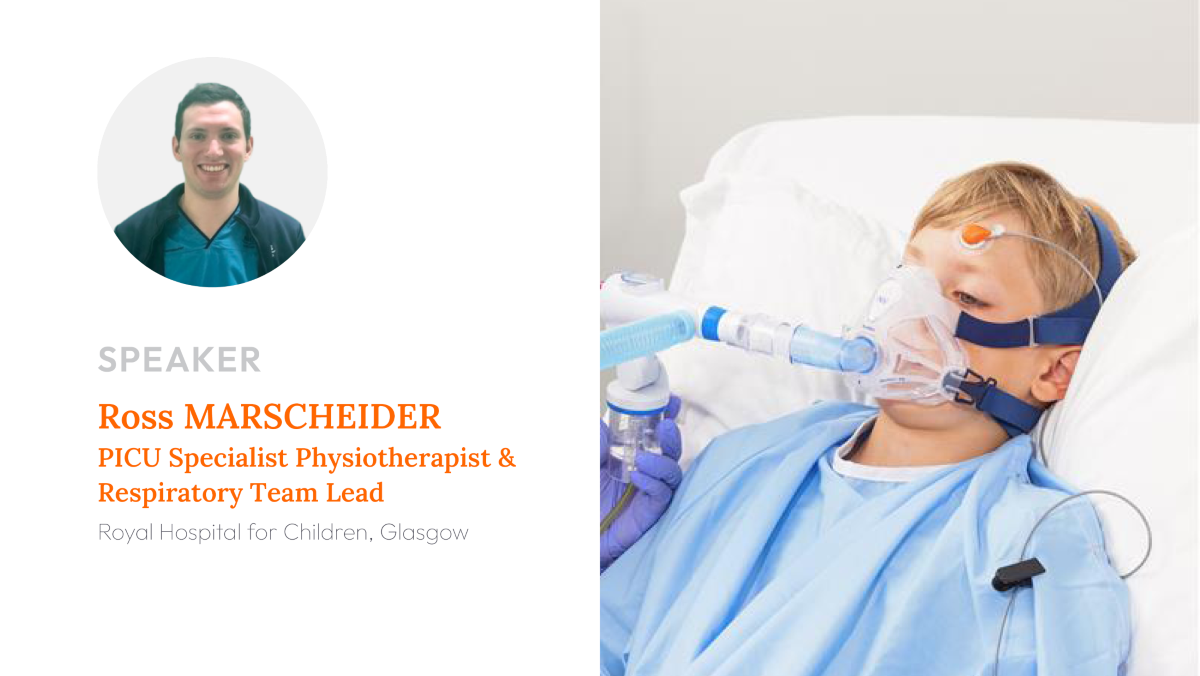
    Airway Clearance in Paediatric Patients: Integrating IPV into Physiotherapy Practice

    Join Ross Marscheider, PICU Specialist Physiotherapist & Respiratory Team Lead at the Royal Hospital for Children Glasgow, for an educational session drawing on 13 years of IPV practice within a large UK paediatric tertiary centre.

  • Non-CE Recording, Support

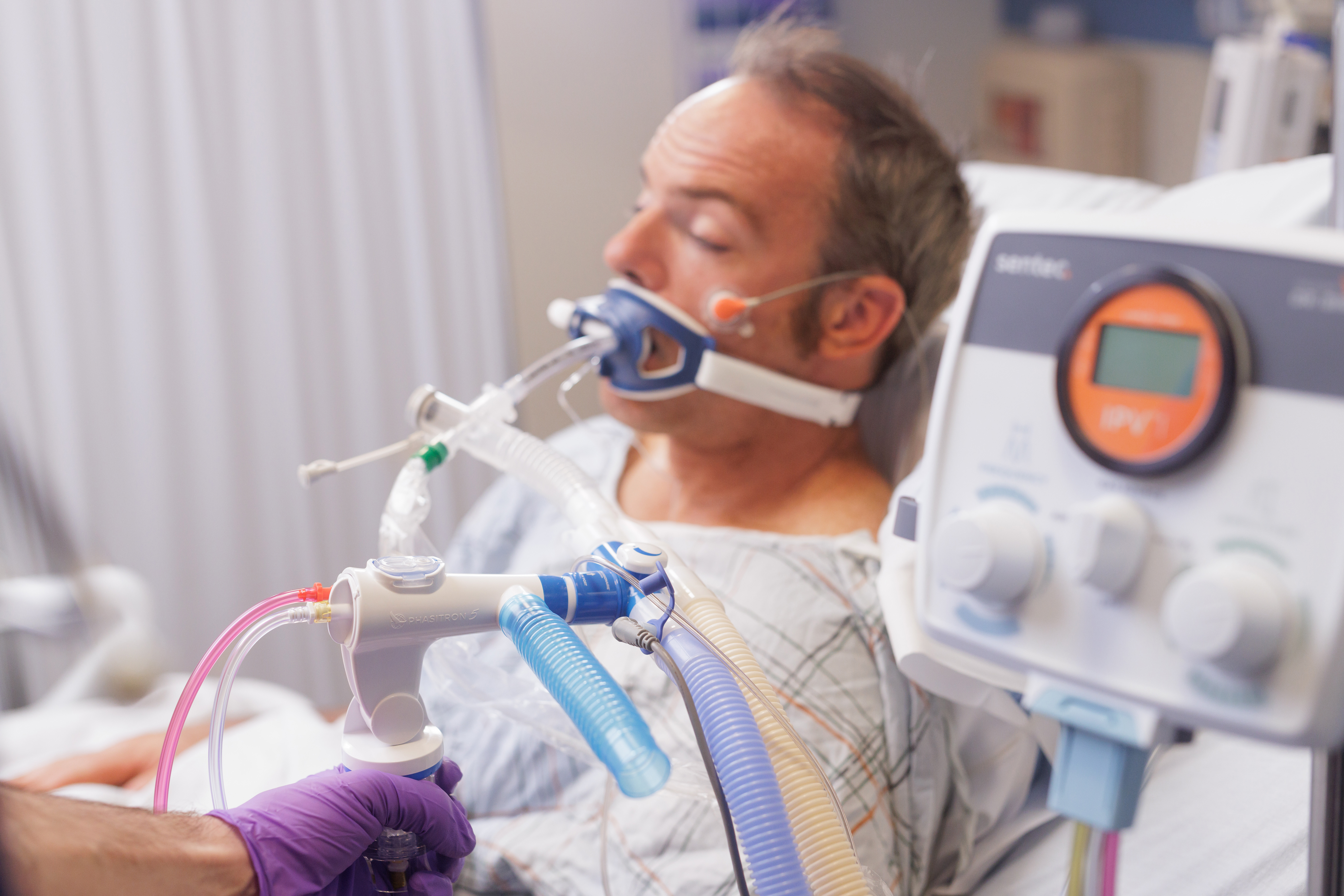
    Delivering IPV® Therapy In-Line with Mechanical Ventilation: Clinical Indications and Best Practices

    Learn how to deliver IPV® therapy in-line with mechanical ventilation to support airway clearance, improve lung recruitment, and maintain ventilatory support in high-risk pediatric and adult patients.

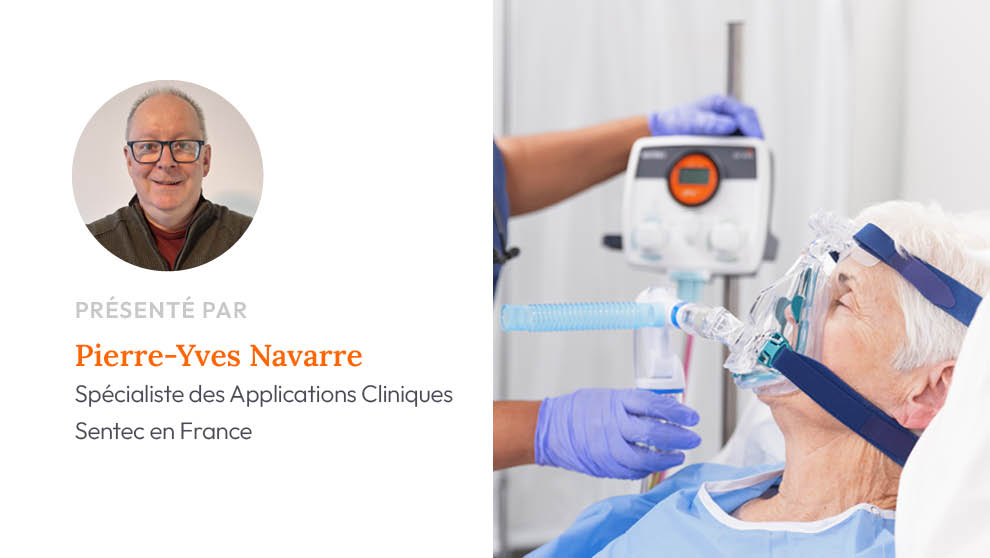
  • Présenté par Pierre-Yves Navarre, Spécialiste des Applications Cliniques, Sentec en France

    On-Demand

    Applications cliniques de la thérapie par IPV : traiter les voies aériennes distales pour améliorer les résultats cliniques

    Participez à un webinaire avec Pierre-Yves Navarre pour découvrir les applications cliniques de la thérapie IPV, y compris les techniques de désencombrement des voies respiratoires, la gestion des sécrétions et l’amélioration des résultats en soins aigus.