

MENU

Sentec Article
5 Ways End-Tidal CO2 Monitoring Can Fall Short in the NICU
In the NICU, closely monitoring carbon dioxide (CO2) levels is a crucial aspect of care for premature and critically ill infants — fluctuations in CO2 levels can disrupt cerebral blood flow, increasing the risk of intraventricular hemorrhage (IVH), periventricular leukomalacia (PVL), and other cerebral injuries.¹
Sentec Article
5 Reasons to Consider Transcutaneous CO2 Monitoring for Your Small Baby Unit
In a small baby unit, transcutaneous CO2 monitoring can support care teams in delivering the high level of care preterm babies require. The technology provides continuous CO2 monitoring, supporting timely assessments of respiratory status to aid in protecting the vulnerable brains and lungs of neonatal patients.

Patient Story
Stella’s IPV Therapy Story
Diagnosed with spinal muscular atrophy shortly after birth, Stella relies on intrapulmonary percussive ventilation (IPV) therapy as a key part of her daily routine. By offering a proactive approach to her at-home respiratory care, IPV therapy empowers Stella and her family to embrace an active and fulfilling lifestyle with confidence.

Sentec Article
Transcutaneous CO2 Monitoring in the NICU: 4 Clinical Use Cases
In the NICU, critically ill and premature babies receive specialized, around-the-clock care to support their fragile health. This often means using respiratory support to help with their breathing, especially important for little ones with underdeveloped or compromised lungs. By using transcutaneous CO2 monitoring, NICU teams can keep a constant eye on their status, which helps them fine-tune and optimize the support they need.

Sentec Article
How to Get Started with Transcutaneous Monitoring in the NICU
Introducing any new technology in a clinical setting can be an exciting time – you’re eager to use your new tool and see the benefits for patients – especially in the NICU where the smallest, sickest babies are.

Whitepaper
The Downsides & Limitations of Neonatal Blood Sampling
In neonatal intensive care units (NICUs), blood sampling, including arterial blood gas (ABG) tests and capillary blood tests (commonly known as a ‘heel stick’), plays an important role in patient monitoring. These tests help care teams monitor a variety of parameters, including blood pH levels and concentrations of vital gases like carbon dioxide (CO2) and oxygen (O2).
Sentec Article
NICU Ventilation: An Overview of Neonatal Ventilatory Support & The Challenges Faced By Care Teams
How can NICU teams ensure that all of these priorities are adequately managed? Here, we’ll take a deeper look at NICU ventilation, the challenges that clinicians face, and strategies that can help.
Sentec Article
What is Intrapulmonary Percussive Ventilation (IPV) Therapy?
Intrapulmonary percussive ventilation (IPV) therapy is an airway clearance therapy that combines percussion, high-velocity flow, and entrainment to mobilize secretions and address gas exchange impairment. The therapy can be delivered through a mouthpiece or mask, directly to the airway, or in-line with a ventilator, making it versatile for a range of patient populations.

Sentec Article
What is Kangaroo Care in the NICU?
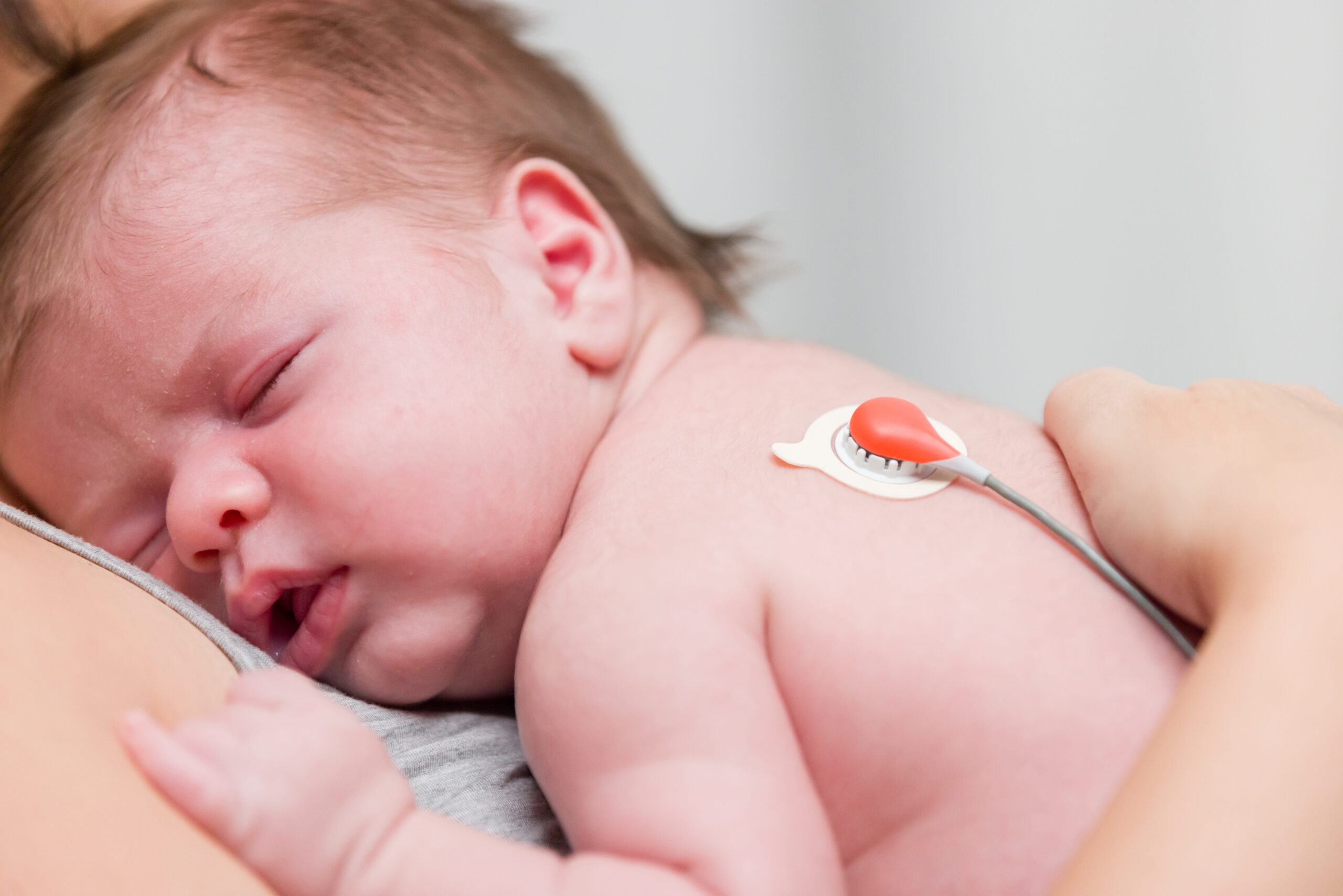
Every aspect of neonatal care matters, from the sounds infants hear to their exposure to light. Kangaroo care, also known as kangaroo mother care or skin-to-skin contact, is a method of holding a newborn baby on the bare chest of the mother or father, with their skin in direct contact.
Sentec Article
Is IPV Therapy Safe
Along with IPV therapy’s clinical results in treating patients with respiratory complications, it has a demonstrated history of being safe and well-tolerated across diverse patient populations, care settings, and delivery interfaces.