

Noninvasive CO2 Monitoring in Sleep Diagnostics: Methods, Limitations, and Benefits
Access the module
This module covers topics including:
The importance of monitoring CO2 in addition to SpO2
The advantages and drawbacks of common methods of CO2 monitoring
The most accurate and effective methods of monitoring ventilation in common sleep lab scenarios
This course is approved for:
1 contact hour Continuing Respiratory Care Education (CRCE) credit by the American Association for Respiratory Care (AARC) | Course # 193546000
1 CEC by the American Association of Sleep Technologists, AAST CEC | Course #A31923
Access the module
Related Posts

On-Demand
Clinical Applications of Transcutaneous CO₂ Monitoring in the Adult Sleep Lab
Are you working in an adult sleep lab? Join an educational webinar on how transcutaneous CO₂ monitoring delivers insight beyond SpO₂ and supports improved detection of hypoventilation and chronic hypercapnia.

On-Demand
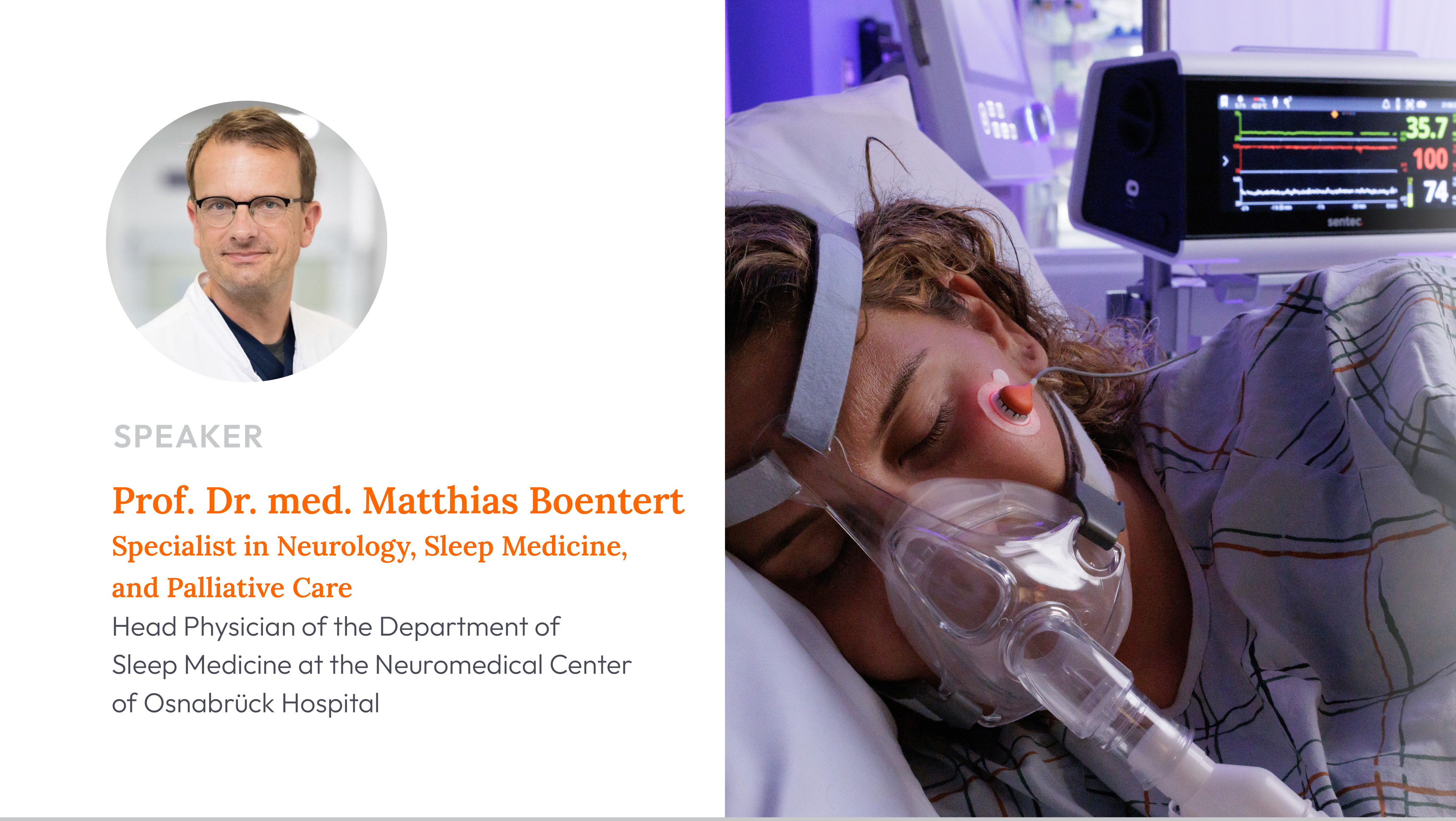
Changes in Sleep and Breathing in Neuromuscular Disorders
Prof. Dr. med. Matthias Boentert, an expert in Neurology and Sleep Medicine, shares his practical clinical insights for your sleep lab.
On-Demand
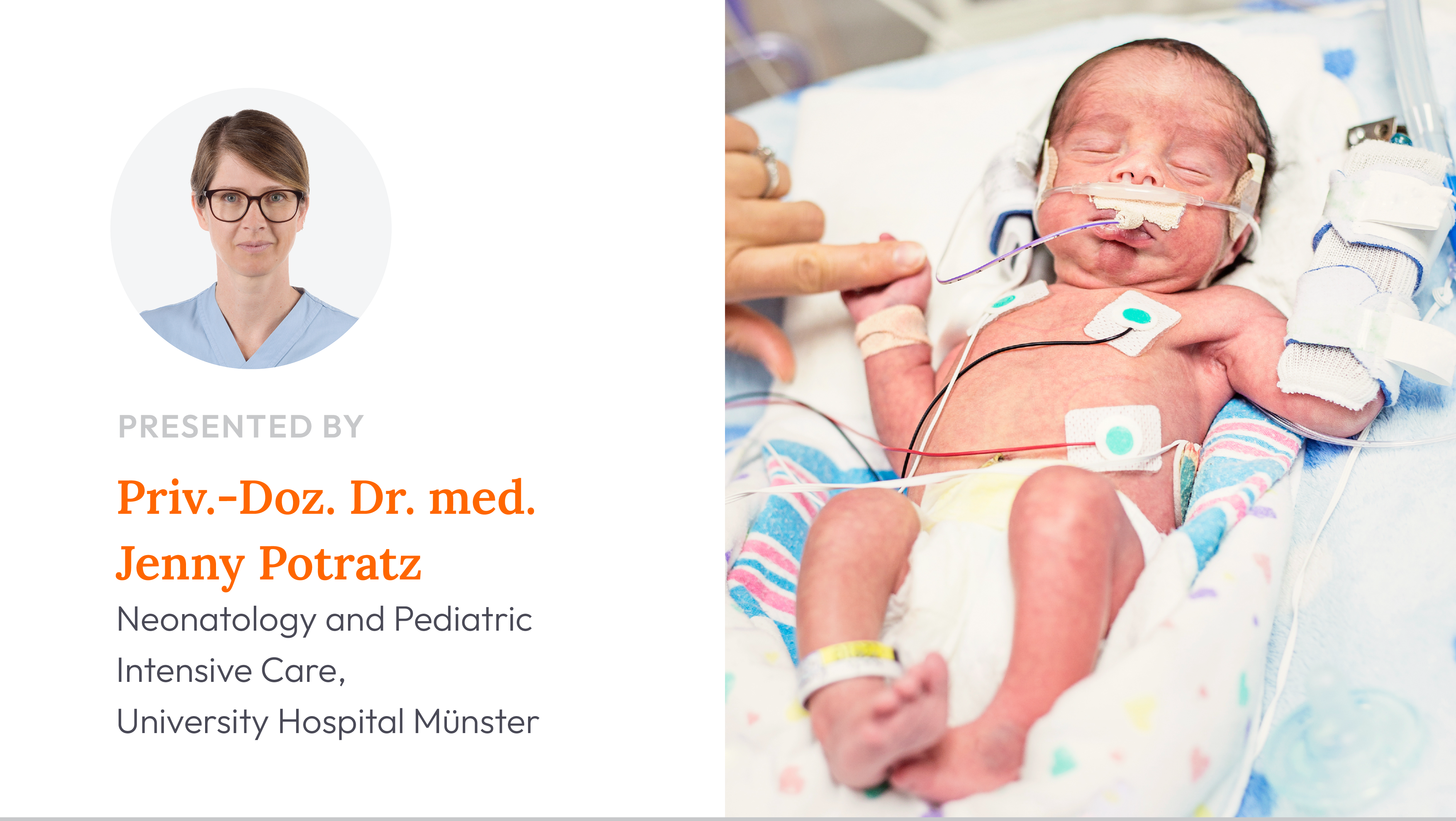
Finding Flow: Utilization of High-Flow Nasal Cannula from NICU to PICU
Priv.-Doz. Dr. med. Jenny Potratz shared her experience on the topic: “Finding Flow: Utilization of High-Flow Nasal Cannula from NICU to PICU.” You can watch the full webinar recording here.